How to Choose a Medical Packaging Manufacturer in China
Release time: 2026-05-07
The global healthcare and medical device industry relies heavily on strict infection control, and at the heart of this safety protocol lies medical packaging. A sterilization pouch or blister film is not merely a container; it is a critical sterile barrier system that protects surgical instruments and medical consumables from microbial contamination. As global supply chains evolve, many international buyers, distributors, and hospitals are turning to Asia for cost-effective, high-quality production.
However, knowing how to choose a medical packaging manufacturer in China can be a complex and daunting process. A single flaw in a peel pouch or a compromised seal can lead to contamination, threatening patient safety and causing severe regulatory consequences. This comprehensive guide provides actionable insights, focusing on essential certifications, cleanroom manufacturing standards, and supply chain reliability to help you select a trustworthy partner.
Why Sourcing Medical Packaging from China is a Strategic Choice
Over the past two decades, China has transformed into a sophisticated global manufacturing hub for medical devices and consumables. Sourcing from a reputable medical packaging manufacturer in China offers several distinct advantages for international buyers:
- Cost-Efficiency Without Compromising Quality: Mature raw material supply chains allow Chinese manufacturers to produce premium medical packaging materials at highly competitive prices.
- Advanced Manufacturing Technologies: Leading Chinese factories have heavily invested in automated pouch-making machines, flexographic printing techniques, and state-of-the-art cleanroom environments.
- High Production Capacity and Scalability: For global distributors with high-volume demands, Chinese suppliers can provide rapid turnaround times, stable output, and scalable production to meet market fluctuations seamlessly.
Key Factors to Consider When Selecting a Medical Packaging Manufacturer
1. Strict International Quality Certifications (ISO 13485 & ISO 11607)
When evaluating a manufacturer, their Quality Management System (QMS) should be your first checkpoint. A reliable supplier must comply with rigorous global standards to ensure product safety and traceability.
- ISO 13485: This is the internationally recognized gold standard for quality management systems specific to the medical device industry. It proves the manufacturer adheres to strict regulatory requirements.
- ISO 11607: This standard specifically addresses the packaging for terminally sterilized medical devices. It guarantees that the materials used are scientifically validated to maintain their sterile barrier from the factory to the point of use.
- CE Mark and FDA Compliance: If you are importing to the European Union or the United States, the manufacturer must have experience adhering to CE quality certifications and FDA regulations.
2. Advanced Cleanroom Facilities (100,000-Class Purification Workshops)
Medical packaging cannot be produced in standard factory settings due to the high risk of bioburden and particulate contamination. The best manufacturers operate within a 100,000-class purification workshop (equivalent to an ISO Class 8 cleanroom). This highly controlled environment regulates air quality, temperature, and humidity, ensuring that sterilization rolls, self-sealing pouches, and indicator cards are manufactured in a pristine, uncontaminated setting before they reach your sterilization facilities.
3. Comprehensive Product Portfolio and Customization (OEM/ODM)
A versatile manufacturer can streamline your supply chain by providing a wide array of products, acting as a one-stop shop for infection control consumables. Look for a supplier capable of producing:
- Medical paper-plastic pouches and sterilization roll pouches.
- Low-temperature plasma roll pouches and high-temperature packaging.
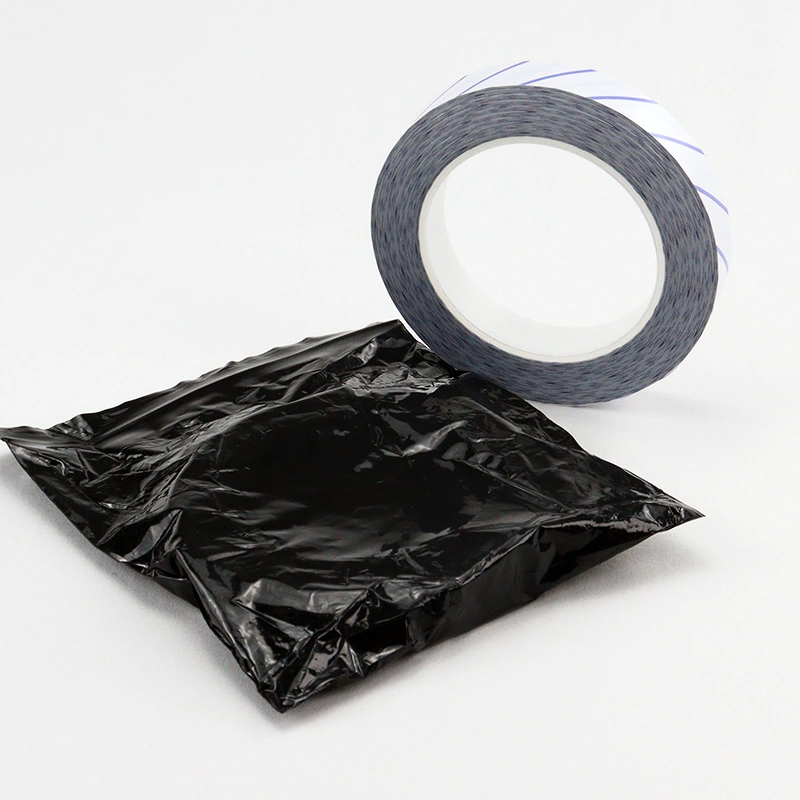
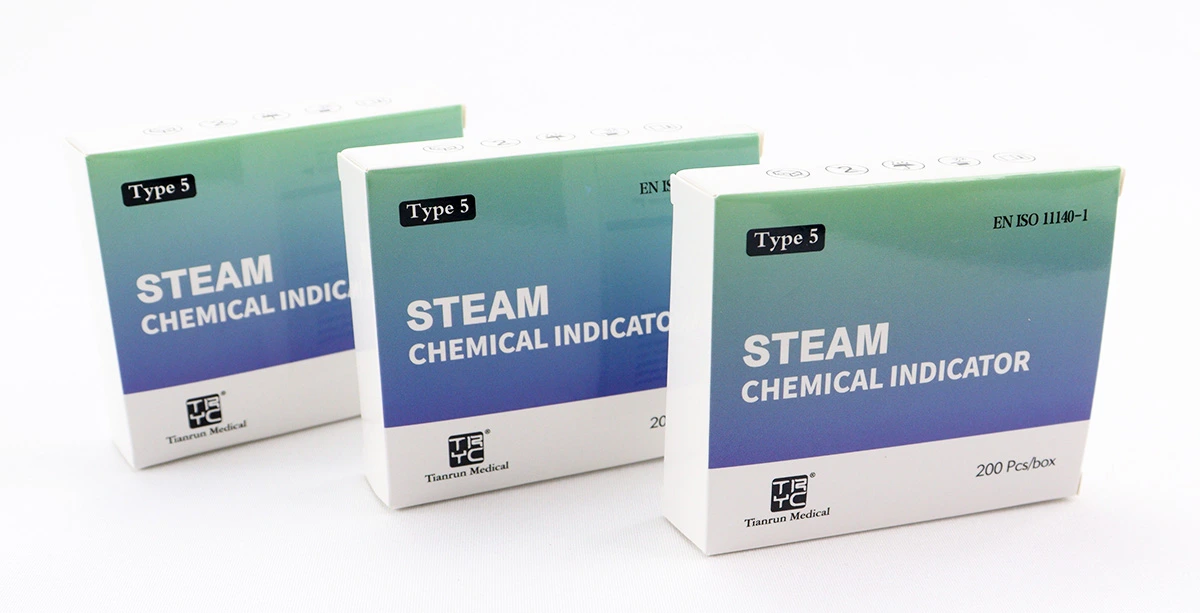
- Chemical and biological indicators for infection control monitoring.
- Medical coated paper, blister paper, and PP/PE composite films.
Furthermore, check if the supplier offers robust OEM (Original Equipment Manufacturer) and ODM (Original Design Manufacturer) services. They should be able to customize dimensions, barrier properties, and print medical instructions using non-toxic, water-based inks that comply with international healthcare standards.
4. In-House Testing Laboratories and Quality Control
Quality control must go beyond basic visual inspections. Top-tier Chinese manufacturers possess specialized in-house laboratories equipped with a complete set of testing equipment. They should routinely test materials for:
- Seal strength and clean peelability: To ensure the package opens without shedding paper fibers.
- Tensile strength and puncture resistance: To prevent sharp surgical instruments from piercing the barrier.
- Microbial barrier performance: To verify that the packaging effectively blocks bacteria and viruses.
5. R&D Capabilities and Patent Portfolios
The medical field is constantly evolving, with a growing emphasis on green and environmentally friendly medical consumables. A manufacturer with a strong research and development (R&D) team and an extensive portfolio of authorized invention and utility model patents demonstrates long-term industry commitment, technical expertise, and an ability to innovate alongside your business needs.
Case in Point: Benchmarking a Reliable Supplier
To understand what these strict qualifications look like in practice, it is helpful to benchmark an established industry player. Tianrun, a manufacturer located in Anhui, China, perfectly exemplifies these rigorous manufacturing standards. Founded in 2003, the company operates as a specialized enterprise integrating the research, development, production, and sales of medical consumables.
What makes a supplier like Tianrun stand out as an industry leader is their holistic and uncompromising approach to quality control. They operate a standard 100,000-class purification workshop coupled with specialized in-house testing laboratories. This robust infrastructure allows them to maintain continuous compliance with ISO9001, ISO13485, ISO11607, and CE certifications. By offering a diverse range of products—from high and low-temperature composite films to biological indicators—and holding over 20 authorized patents, Tianrun demonstrates the exact combination of technological strength and strict internal management that international buyers should actively seek when auditing potential partners.
A Step-by-Step Guide to Auditing Your Chinese Partner
To finalize your decision and mitigate risks, follow this proven audit checklist before placing a bulk order:
- Request Official Documentation: Ask for current, unexpired copies of their ISO certificates, CE documentation, and any relevant testing reports from third-party agencies (like SGS or TUV).
- Evaluate Physical Samples: Request product samples to manually test seal strength, material thickness, breathability, and indicator color-change accuracy.
- Conduct a Factory Audit: Whether you do it in person or via a live video inspection, visually verify the existence, scale, and daily operation of their cleanroom and laboratory.
- Review Global Export Experience: A manufacturer with a proven history of exporting to strict markets (such as the US, EU, Japan, and South Korea) is generally much more reliable in handling customs logistics, compliance documentation, and international quality expectations.
Conclusion
Learning how to choose a medical packaging manufacturer in China is a vital strategic step in safeguarding your medical supply chain and protecting your brand’s reputation. By prioritizing suppliers who possess international regulatory certifications, operate advanced cleanroom environments, and maintain rigorous in-house laboratory testing, you can ensure the delivery of safe, compliant, and high-quality sterile barrier systems. Take the time to conduct thorough research, request verifiable credentials, and choose a partner dedicated to the highest standards of medical safety.
Frequently Asked Questions (FAQs)
Q1: Why is ISO 11607 certification crucial for medical packaging manufacturers?
A1: ISO 11607 is the globally recognized standard specifically designed for the packaging of terminally sterilized medical devices. It ensures that the packaging material is safe, scientifically effective, and capable of maintaining a strict sterile barrier from the point of sterilization until the product is physically opened by the healthcare professional. Partnering with a compliant manufacturer minimizes the risk of hospital-acquired infections and prevents costly customs rejections.
Q2: What does a “100,000-class purification workshop” mean in medical packaging?
A2: A 100,000-class cleanroom (equivalent to an ISO Class 8 environment) is a highly regulated enclosed manufacturing facility where the concentration of airborne particles, dust, and microbes is strictly controlled. In medical packaging, this ensures that critical products like sterilization pouches and blister films are manufactured without exposure to environmental contaminants, thereby keeping the pre-sterilization bioburden to an absolute minimum to meet healthcare safety standards.
Q3: Can Chinese medical packaging manufacturers provide custom-printed and sized pouches?
A3: Yes, the majority of highly reputable medical packaging manufacturers in China offer comprehensive OEM (Original Equipment Manufacturer) and ODM (Original Design Manufacturer) services. They possess the technology to customize the specific dimensions of sterilization roll pouches, integrate targeted chemical indicators, and print custom brand logos, lot numbers, or medical instructions using specialized, non-toxic, water-based inks that comply with international safety regulations.