How to Choose the Right Sterilization Indicator Tape?
Release time: 2026-05-26
Table of Contents
Ensuring effective sterilization is the bedrock of safety in medical, dental, laboratory, and tattoo facilities. While modern autoclaves are highly reliable, the process requires constant verification. This is where chemical indicators come into play, providing visual proof that specific sterilization parameters have been met. Among these, sterilization indicator tape is arguably the most ubiquitous and essential tool. It serves a dual purpose: securing sterile packs and instantly confirming, via a color change, that the pack has been exposed to the sterilization process.
However, with various types of sterilization methods and a myriad of tape options available, selecting the correct one is crucial. Using the wrong tape can lead to false confidence, potentially compromising patient safety or experimental integrity. This guide will walk you through the essential factors to consider when choosing the right tape for your needs.
Understanding the Role of Indicator Tapes
Before diving into the selection process, it’s vital to understand what these tapes do and, importantly, what they don’t do.
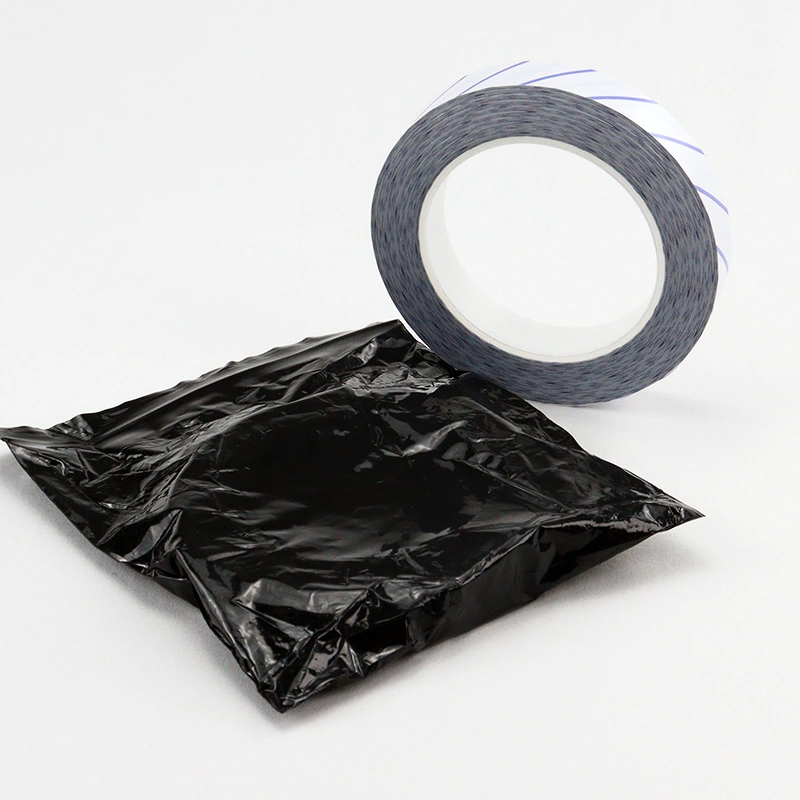
Indicator tapes are classified as Class 1 (or Type 1) process indicators according to ISO 11140-1 standards. Their primary function is to distinguish between processed and unprocessed items. They contain chemical inks that change color when exposed to specific sterilization variables (like heat, steam, or gas).
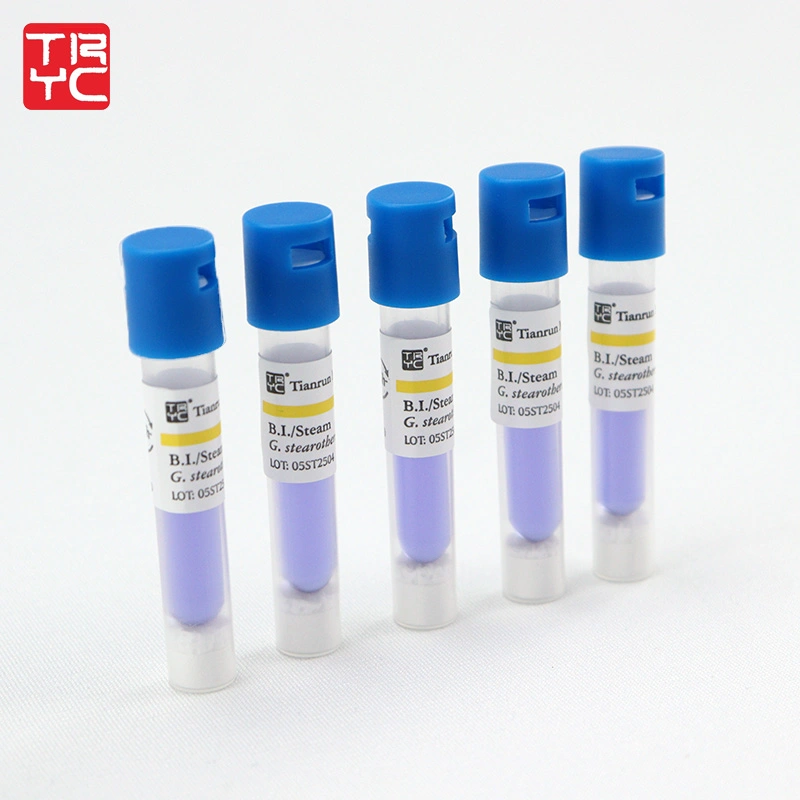
Crucially, a color change on an indicator tape does NOT guarantee sterility. It merely indicates that the item was exposed to the sterilization environment. They do not confirm the duration of exposure or the required temperature was maintained long enough to kill all microorganisms. For comprehensive proof of sterility, Class 5 integrators or biological indicators are necessary.
The main benefits of using indicator tapes include:
- Immediate Visual Identification: Quickly separate processed packs from those awaiting sterilization.
- Secure Packaging: Effectively seal sterilization wraps, pouches, and drapes.
- Record Keeping: Many tapes can be written on for easy labeling and documentation.
Key Factors to Consider When Choosing
Selecting the appropriate tape involves matching the tape’s characteristics to your specific sterilization process and packaging materials.
1. Identify Your Sterilization Method
This is the most critical step. Indicator tapes are specifically formulated to react to different sterilants. Using steam tape in a dry heat sterilizer will result in inaccurate or failed readings.
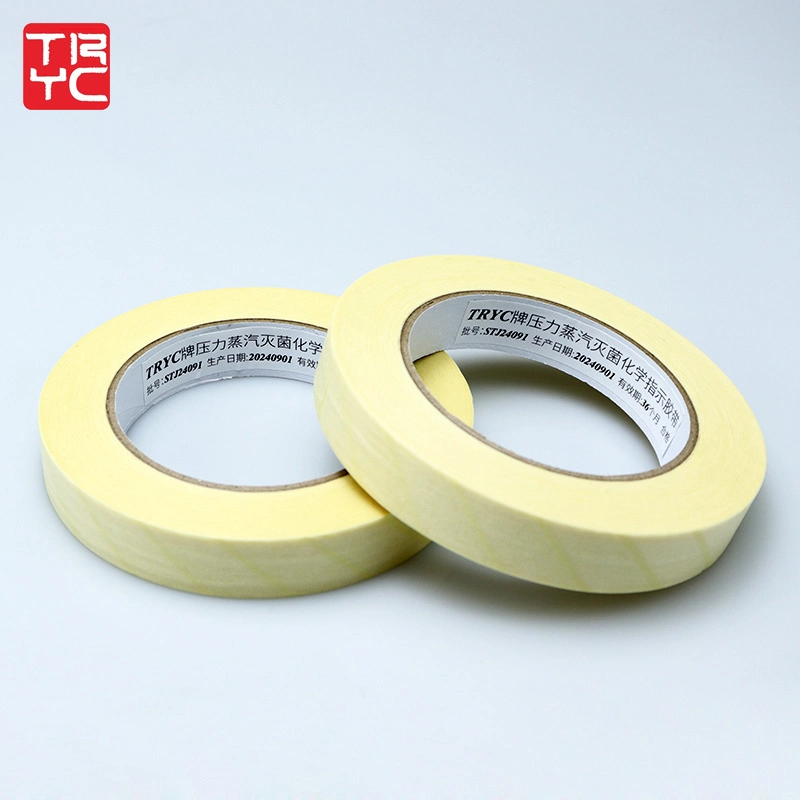
- Steam Sterilization (Autoclaving): This is the most common method. Autoclave tape is designed to change color (usually from light to dark or white to black) when exposed to high-pressure saturated steam at specific temperatures (typically 121°C or 134°C). When sourcing supplies for high-volume facilities, you might look for reliable wholesale autoclave sterilization tape to ensure consistent quality and cost-effectiveness.
- Dry Heat Sterilization: These tapes react only to high dry temperatures (e.g., 160°C) and will not change color in steam.
- Ethylene Oxide (EO) Gas: Used for heat-sensitive items, EO tapes require exposure to the specific gas concentration, humidity, and temperature.
- Hydrogen Peroxide Vapor (Plasma): Designed for low-temperature sterilization, these tapes react to the plasma environment.
2. Match the Tape to Your Packaging Material
The adhesive quality of the tape must be compatible with the material you are wrapping. A tape that adheres well to woven linens might fail on non-woven synthetics or paper/plastic pouches.
- Woven Materials (Linens, Muslin): Most standard indicator tapes adhere well to these traditional wraps.
- Non-Woven Materials: These require tapes with stronger, specially formulated adhesives to ensure the pack remains securely sealed during the rigorous sterilization process and subsequent handling.
- Crepe Paper: Tapes need a balanced adhesive that holds securely but allows for relatively easy removal without tearing the paper.
If you are using steam sterilization indicator autoclave tape, ensure its adhesive is rated for the specific wrap you utilize, preventing the pack from opening and compromising the contents.
3. Consider the Tape’s Physical Properties
Beyond the chemical indicator, the physical characteristics of the tape are important for usability and safety.
- Lead-Free Formulation: Historically, many indicator inks contained lead. Modern, environmentally responsible facilities should exclusively use lead-free tapes. This protects staff, patients, and the environment from toxic exposure and simplifies disposal. Reputable manufacturers like Tianrun prioritize lead-free formulations in their products.
- Latex-Free Materials: To prevent allergic reactions in both staff and patients, ensure the tape backing and adhesive are free of natural rubber latex.
- Adhesive Quality and Residue: The tape must stick securely during sterilization but should ideally leave minimal to no sticky residue on instruments or reusable wraps upon removal. Poor-quality adhesives can bake onto surfaces, making cleaning difficult.
- Tensile Strength: The tape needs to be strong enough to withstand the pressure changes within the sterilizer without snapping, ensuring the pack stays closed.
4. Evaluate the Clarity of the Indicator Change
The color transition should be stark and unambiguous. An incomplete or mottled color change can lead to uncertainty and require the pack to be re-sterilized. Look for tapes that provide a clear, definitive shift from the initial color to the endpoint color.
Comparison Table: Common Sterilization Indicator Tapes
| Sterilization Method | Typical Initial Color | Typical Endpoint Color | Key Requirement |
|---|---|---|---|
| Steam (Autoclave) | White / Beige | Black / Dark Brown | High-temperature steam exposure. |
| Dry Heat | Green / Light Blue | Brown / Black | High dry temperature exposure. |
| Ethylene Oxide (EO) | Red / Yellow | Green / Blue | Exposure to EO gas, humidity, temperature. |
| Hydrogen Peroxide (Plasma) | Red / Purple | Yellow / Pink | Exposure to hydrogen peroxide vapor. |
Practical Tips for Using Indicator Tapes
Choosing the right tape is only half the battle; proper application is equally important.
- Storage: Store tapes according to the manufacturer’s instructions, typically in a cool, dry place away from direct sunlight, moisture, and chemical vapors. Improper storage can cause premature color change or degrade the adhesive.
- Application: Apply the tape firmly, smoothing it down to ensure good contact with the wrap.
- Quantity: Use enough tape to securely seal the pack, but avoid excessive wrapping, which can hinder sterilant penetration.
- Labeling: If writing on the tape, use non-toxic, indelible markers designed for sterilization. Ensure writing does not obscure the indicator stripes.
- Inspection: Before using a sterilized pack, always inspect the autoclave indicator tape. If the color change is incomplete or absent, consider the item unsterile and reprocess it.
The Importance of Reliable Sourcing
When it comes to infection control, quality cannot be compromised. Sourcing your indicator tapes from established, reputable manufacturers ensures you are getting a product that performs consistently and meets industry standards.
Companies like Tianrun specialize in medical packaging and sterilization monitoring products. By choosing dedicated manufacturers, you can be more confident in the reliability of the chemical indicators and the performance of the adhesives, ultimately contributing to a safer environment for everyone.
Frequently Asked Questions (FAQs)
1. Can I use regular masking tape instead of sterilization indicator tape to seal packs?
No, absolutely not. Regular masking tape does not contain chemical indicators to verify exposure to the sterilization process. More importantly, the adhesives on standard masking tapes are not designed to withstand the high temperatures and pressures of sterilization; they will likely fail, causing the pack to open or bake onto the wrap, leaving a stubborn residue.
2. If the indicator tape changes color, does it mean the instruments inside are 100% sterile?
No. Indicator tapes are Class 1 process indicators. A color change only confirms that the outside of the pack was exposed to the sterilant (e.g., steam or heat). It does not guarantee that the sterilant penetrated the pack effectively or that the necessary parameters (time and temperature) were maintained long enough to achieve complete sterility. You must use integrators (Class 5) or biological indicators for proof of sterility.
3. Does indicator tape expire, and how should it be stored?
Yes, sterilization indicator tapes have an expiration date. Over time, the chemical inks can degrade, leading to inaccurate color changes. Always check the expiration date before use. Tapes should be stored in a cool, dry environment, away from direct sunlight, excessive heat, and chemical fumes, as these factors can cause premature color changes or damage the adhesive.