Sterilization Wrap vs Pouch: Which Should You Use?
Release time: 2026-04-27
Table of Contents
In the critical environment of healthcare, infection control and sterile processing are non-negotiable. At the heart of this process lies a fundamental decision for every Central Sterile Services Department (CSSD): choosing the right sterile packaging. When evaluating a sterile barrier system for your surgical instruments, the debate often comes down to sterilization wrap vs. pouch.
Both methods are designed to allow sterilant penetration while providing a robust barrier against microorganisms until the point of use. However, they serve very different operational needs. Using the wrong packaging can lead to compromised sterility, wasted budget, and inefficient workflows.
To help healthcare facilities, dental clinics, and surgical centers optimize their sterile processing departments, this comprehensive guide will break down the differences, pros, and cons of both sterilization wraps and pouches across key factors like cost, instrument size, sterility maintenance duration, and workflow efficiency.
Understanding Sterilization Pouches
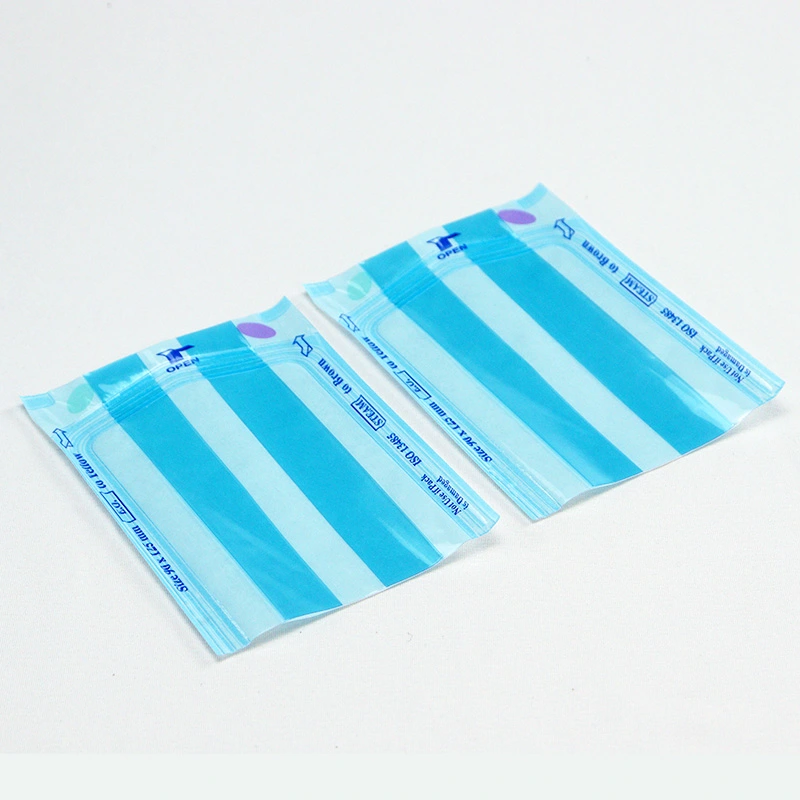
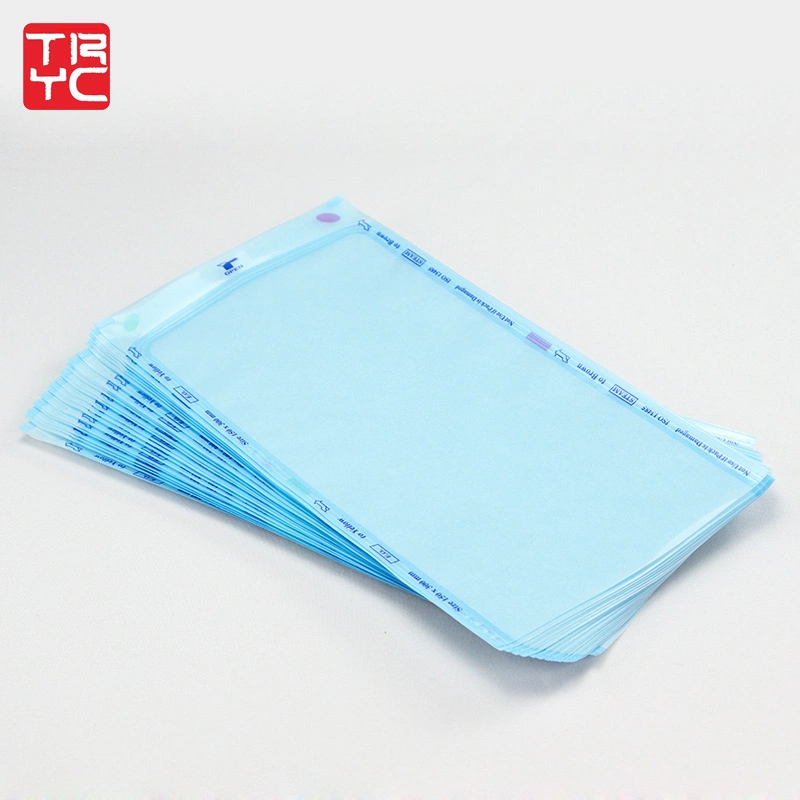
Sterilization pouches (often called peel pouches) are typically made from a combination of medical-grade paper and transparent polymer film. They are available in self-sealing varieties with an adhesive strip or heat-sealable versions that require a separate sealing machine.
Ideal Use Cases for Pouches
Pouches are the go-to solution for single, lightweight instruments or small, low-profile sets (like dental tools, scissors, or forceps). Because one side is transparent, they allow surgical staff to instantly identify the contents inside without compromising the sterile barrier.
When evaluating the medical sterilization pouches’ pros and cons, the main advantage is absolute convenience. They require minimal training to use, feature built-in internal and external chemical indicators, and offer excellent visibility. However, their primary drawback is durability; they are prone to puncturing or bursting if overloaded with heavy or sharp instruments.
Understanding Sterilization Wraps
Sterilization wrap, commonly known as blue wrap or SMS (Spunbond-Meltblown-Spunbond) wrap, is a non-woven fabric used to encase surgical trays and heavy equipment. It is designed to be folded around the instrument set and secured with indicator tape.
Ideal Use Cases for Wraps
If you are processing heavy orthopedic sets, large multi-instrument surgical trays, or bulky loaner instrumentation, wraps are the only viable option. When searching for the best sterilization wrap for large surgical trays, CSSD managers look for tear-resistant, multi-layered SMS materials that can withstand the weight and sharp edges of complex surgical kits.
Wraps offer unparalleled flexibility—they can conform to almost any shape or size of a tray. The downside? Wrapping requires specific, standardized techniques (like the envelope fold or square fold) to ensure a tortuous path that microbes cannot penetrate, which demands more staff training compared to simple pouches.
Key Comparison Factors: Wrap vs. Pouch
To make the right choice for your facility, you must evaluate how each packaging method aligns with your daily operational needs.
1. Cost and Budgeting
When conducting a cost comparison of sterilization wraps vs. pouches, you have to look beyond the unit price. Individually, a single sterilization pouch is incredibly inexpensive. If you are a small clinic processing mostly single tools, pouches will keep your costs very low.
However, trying to use large pouches for heavy items can result in high tear rates, leading to costly reprocessing cycles. For bulk processing, investing in high-quality disposable sterilization wrap materials is far more cost-effective. Wraps allow you to sterilize dozens of instruments in a single tray simultaneously, reducing the overall packaging cost per instrument and saving valuable space in the autoclave.
2. Instrument Size and Weight Capacity
The golden rule of sterile processing is that the packaging must suit the item.
- Pouches: Strictly for lightweight, low-profile items. Overstuffing a pouch creates stress on the seals, leading to blowouts during the sterilization cycle’s vacuum phase.
- Wraps: Engineered for heavy lifting. High-quality SMS wraps are graded by weight capacity (e.g., standard, heavy-duty, ultra-heavy-duty), allowing facilities to safely package trays weighing upwards of 25 pounds without fear of tearing. These wraps serve as the backbone of reliable medical device sterile barrier systems in major hospitals.
3. Sterility Maintenance Duration
A common question asked by infection control nurses is: how long do sterilization pouches maintain sterility compared to wraps?
Historically, facilities used “time-related” expiration dates (e.g., 30 days or 6 months). Today, the industry standard dictated by organizations like AAMI and CDC is “event-related sterility.” This means that whether you use a pouch or a wrap, the item remains sterile indefinitely unless an event compromises the packaging. Such events include tears, moisture ingress, or broken seals.
Because pouches have plastic films and sealed edges, they are sometimes slightly more resilient against ambient moisture during storage. However, high-grade SMS wraps are highly hydrophobic (water-repellent). The true determining factor for both is proper handling and clean, climate-controlled storage.
4. Workflow Efficiency
Time is money in any sterile processing department. Evaluating autoclave sterilization packaging workflow efficiency reveals distinct workflows for both:
- Pouches: Extremely fast. Drop the instrument in, peel the adhesive strip, and seal. It takes seconds, making it highly efficient for rapid turnover of basic tools.
- Wraps: Wrapping a tray takes precision, time, and trained hands. While it is slower than pouching, wrapping a single large tray containing 50 instruments is vastly more efficient than individually pouching those 50 tools.
The Smart Solution: Standardizing Your Supply Chain
In reality, the question isn’t “Which should you use?”—it’s “How do you manage both efficiently?” Almost every healthcare facility requires both wraps for their surgical trays and pouches for their single instruments.
Managing multiple vendors for different packaging needs can be a logistical nightmare, leading to inconsistent quality, varying delivery times, and complicated procurement processes. The most efficient strategy is to partner with a comprehensive manufacturer that provides both solutions under one roof.
This is where industry-leading manufacturers like Tianrun step in to simplify your supply chain. As one of the premier FDA-certified sterilization packaging suppliers, Tianrun offers a complete portfolio of sterile barrier systems. Whether you need medical-grade, self-sealing sterilization pouches for your quick-turnaround items or heavy-duty SMS sterilization wraps for your complex surgical trays, Tianrun manufactures both to strict international quality standards (ISO 11607).
By sourcing both wraps and pouches from Tianrun, hospitals and clinics can:
- Standardize Quality: Ensure both wraps and pouches meet the same rigorous safety and breathability metrics.
- Streamline Purchasing: Deal with a single vendor, simplifying inventory management and accounts payable.
- Optimize Pricing: Leverage bulk purchasing power across multiple packaging categories.
Conclusion
Both sterilization wraps and pouches play indispensable roles in keeping patients safe from healthcare-associated infections (HAIs). Pouches win on visibility and speed for small items, while SMS wraps are the undisputed champions for heavy, complex surgical trays. By understanding the specific applications of each, and by partnering with a trusted, all-in-one supplier like Tianrun, CSSD managers can ensure peak operational efficiency, cost-effectiveness, and, most importantly, uncompromised patient safety.
Frequently Asked Questions (FAQs)
Q1: Can I double-pouch instruments instead of using a sterilization wrap for heavier items?
While double-pouching (placing one pouch inside another) is an acceptable practice for adding an extra layer of aseptic presentation for single instruments, it should not be used as a substitute for sterilization wraps when dealing with heavy trays. Double-pouching heavy items still puts too much stress on the paper-plastic seals and can lead to ruptures. Heavy items should always be placed in a designated tray and wrapped with standard or heavy-duty SMS sterilization wrap.
Q2: Does Tianrun offer custom sizes for both sterilization wraps and pouches?
Yes. A reputable and comprehensive manufacturer like Tianrun understands that medical facilities handle a vast array of instrument sizes. They offer a wide spectrum of standard dimensions for both pouches and SMS blue wraps, and can often accommodate custom sizing requests or specific OEM/ODM manufacturing needs to fit your facility’s unique surgical kits.
Q3: How do I know if the sterile barrier has been compromised before use?
Before opening any sterilized package in the operating room, staff must inspect it thoroughly. For pouches, check that the seal is completely intact without any channels, peeling, or burn marks, and ensure the plastic has no punctures. For wraps, inspect the tape to ensure it hasn’t been tampered with, and check the entire surface area for holes, tears, or water stains (which indicate moisture contamination). If any damage is found, the item must be sent back for complete reprocessing.