The Science Behind the TRYC Biological Indicator Incubator
Release time: 2026-08-25
In the demanding fields of healthcare and advanced laboratory research, ensuring absolute sterility is not merely a regulatory requirement; it is a critical safeguard for human life. Behind every successful sterilization cycle lies a rigorous, scientifically validated verification process. At the heart of this process is the biological indicator incubator, an essential device designed to cultivate test microorganisms to confirm the total eradication of dangerous pathogens. The TRYC brand has emerged as a technological leader in this highly specialized niche. This article explores the precise science, innovative engineering, and meticulous design principles that make the TRYC incubator an indispensable tool for modern sterilization assurance.
The Critical Role of Sterilization Verification
To truly appreciate the engineering behind TRYC’s equipment, one must first understand the microbiology of sterilization. Healthcare facilities rely on autoclaves—machines that use high-pressure steam—to sterilize surgical instruments and laboratory equipment. However, simply reaching a specific temperature and pressure does not guarantee that all microorganisms have been destroyed.
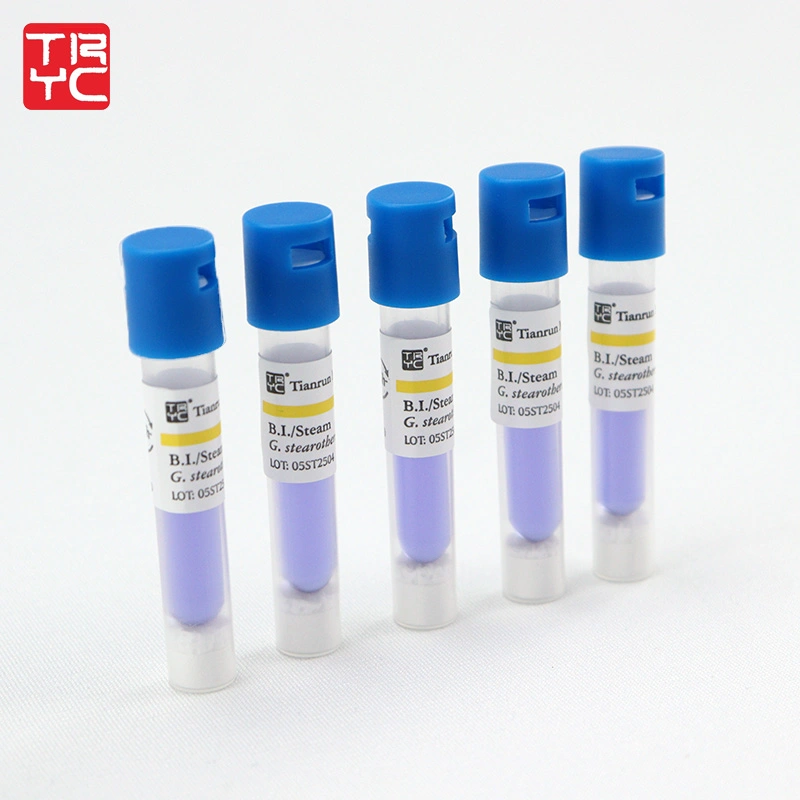
To bridge this gap, infection control professionals use biological indicators (BIs). These are small vials containing highly resistant bacterial spores, typically Geobacillus stearothermophilus for steam sterilization. Because these spores are exceptionally tough, their destruction proves that the autoclave cycle was successful. After the cycle, the vial is crushed to expose the spores to a growth medium and placed into a biological indicator incubator for autoclave validation. If the spores were not killed, they will grow, change the color of the liquid, and indicate a failed cycle.
The advantages of biological monitoring over traditional chemical tapes or mechanical gauges are profound:
- Direct Lethality Proof: Unlike chemical strips that only show temperature exposure, BIs prove actual microbial kill.
- Unmatched Sensitivity: Bacterial spores are the most challenging organisms to destroy, representing a “worst-case scenario” test.
- Comprehensive Monitoring: They test the entire sterilization process, including steam quality, penetration, and load configuration.
- Regulatory Compliance: Using biological indicators is widely mandated by global health organizations and standards (such as ISO and the CDC).
Decoding the TRYC Technology: Precision Engineering
The survival or death of the indicator spores is determined during the incubation phase. If the temperature fluctuates even slightly, it can lead to false negatives (where surviving spores fail to grow because it is too cold) or false positives (where the heat destroys the growth medium). This is where the specialized science of the TRYC incubator shines.
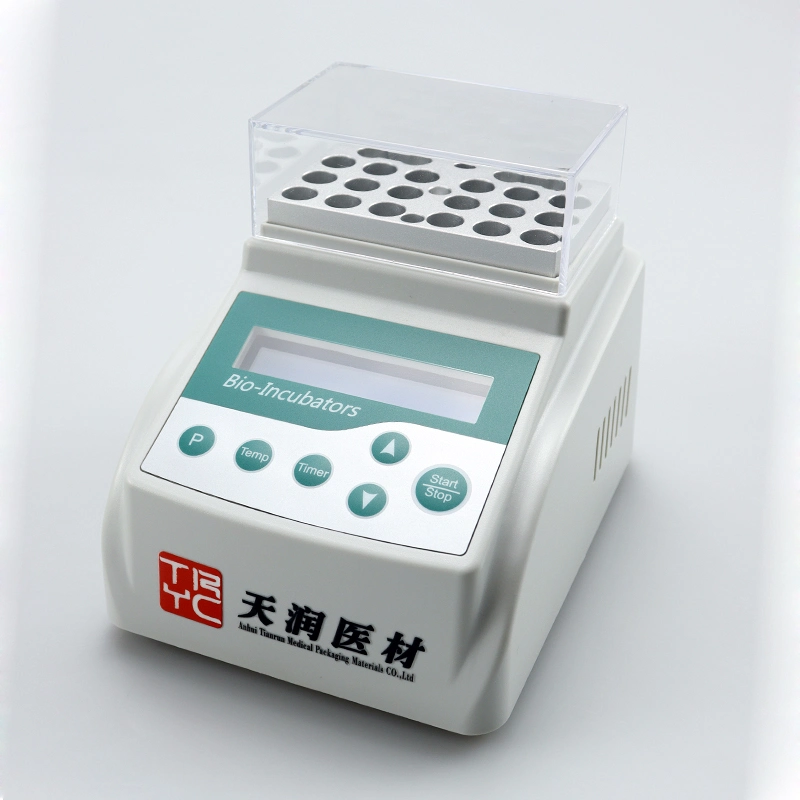
TRYC engineers have moved beyond the outdated water-bath systems of the past, utilizing advanced solid-state thermodynamics. The TRYC Medical sterilization BI incubator utilizes a custom-machined aluminum heating block. Aluminum is chosen for its exceptional thermal conductivity, ensuring that heat is distributed uniformly across every single vial well.
Standard Incubators vs. TRYC Advanced Technology
To understand the leap in quality, consider the following comparison between standard generic incubators and the purpose-built TRYC system:
| Feature/Specification | Standard Generic Incubators | TRYC Biological Incubator |
|---|---|---|
| Temperature Control | Basic On/Off Thermostat | Advanced PID Microprocessor |
| Thermal Fluctuation | ± 1.5°C to 2.0°C | ≤ ± 0.3°C |
| Heating Medium | Water or basic metal alloys | Aerospace-grade Aluminum Block |
| Heat-up Time | 30 to 45 minutes | Under 15 minutes |
| Fault Detection | Manual monitoring required | Automated visual and acoustic alarms |
The secret to TRYC’s temperature stability lies in its PID (Proportional-Integral-Derivative) controller. Instead of simply turning a heater on and off, the PID algorithm continuously calculates the difference between the desired setpoint (usually 56°C to 60°C for steam BIs) and the current temperature. It then applies the precise amount of power needed to maintain that exact temperature without overshooting.
Advanced Features Driving Operational Excellence
Beyond the core thermodynamics, TRYC has integrated several features designed for the fast-paced, high-stress environments of modern Central Sterile Services Departments (CSSD). Any premium biological indicator incubator must prioritize user experience and workflow efficiency alongside scientific accuracy.
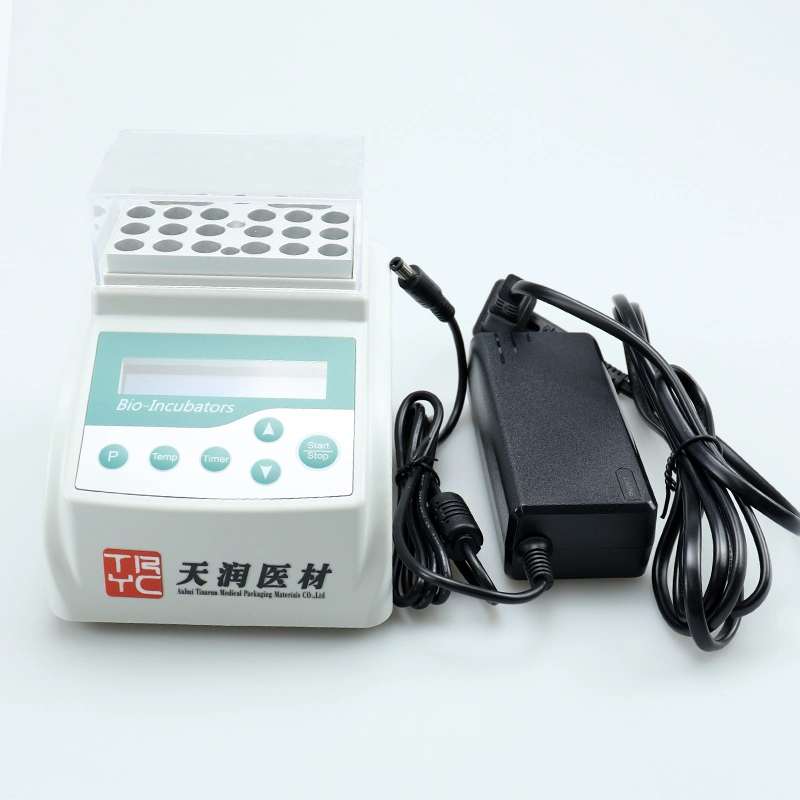
First, the TRYC system features a customized multi-well design. These wells are milled to exact tolerances to ensure maximum surface contact between the aluminum block and the plastic indicator vial. This tight fit eliminates insulating air gaps, guaranteeing rapid and efficient heat transfer.
Furthermore, the digital LCD interface provides real-time data at a glance. Technicians can instantly verify the current block temperature, the remaining incubation time, and the device’s operational status. The built-in timer function allows for precise tracking of the 24-hour or 48-hour incubation protocols standard in many laboratories, sounding a clear alert when the cycle is complete.
Safety is also a paramount design consideration. The TRYC incubator includes an integrated transparent lid. This serves a dual purpose: it acts as a thermal shield to prevent heat loss and maintain a stable internal microclimate, and it protects the user from accidental burns while allowing clear visibility of the vials to check for color changes without interrupting the incubation process.
Navigating Compliance and Safety Standards
In the medical sector, equipment must do more than just work; it must provide auditable, verifiable data that satisfies strict regulatory bodies. Health inspectors and accreditation agencies require detailed logs of sterilization validation.
Therefore, using a highly reliable biological indicator incubator for autoclave testing ensures that healthcare facilities remain strictly compliant with ISO 11138 standards and local health department guidelines. When an incubator suffers from poor temperature control, it risks the release of non-sterile surgical instruments into the operating room—a catastrophic failure that can lead to severe healthcare-associated infections (HAIs).
By investing in precision equipment, hospital administrators mitigate legal and patient safety risks. The TRYC device stands as a paragon of a modern medical sterilization BI incubator, providing the verifiable, reproducible, and documented results that modern healthcare protocols demand. Its consistent performance gives CSSD technicians the absolute confidence they need to release sterilized loads for surgical use.
Conclusion
The science of sterilization is exact, unforgiving, and deeply critical to modern medicine. The TRYC incubator is not just a heating device; it is a meticulously engineered scientific instrument designed to support the heavy responsibility of infection control. Through advanced thermodynamic materials, precise PID microprocessors, and user-centric design, TRYC provides a flawless environment for biological monitoring. For any facility serious about patient safety and flawless laboratory results, understanding and investing in this level of scientific precision is the ultimate standard of care.
Frequently Asked Questions (FAQ)
1. What temperature range does the TRYC incubator support, and can it be adjusted?
Yes, the TRYC incubator is fully adjustable. While it is predominantly used at 56°C to 60°C for Geobacillus stearothermophilus (steam sterilization), the precise PID controller allows users to set custom temperatures. This makes it versatile enough to incubate Bacillus atrophaeus spores at 37°C, which are used for validating Ethylene Oxide (EO) or dry heat sterilization processes.
2. Are the heating wells in the TRYC unit compatible with biological indicators from other brands?
The TRYC incubator is designed with universal compatibility in mind. The wells are precisely machined to accommodate standard-sized self-contained biological indicator (SCBI) vials used by the vast majority of global sterilization monitoring brands. However, it is always recommended to check the specific diameter of your vials against the incubator’s technical specifications.
3. How often does the TRYC incubator require temperature calibration?
Thanks to its advanced microprocessor and high-quality solid-state sensors, the TRYC incubator maintains exceptional long-term stability. Generally, it is recommended to perform a temperature verification and calibration check annually to comply with standard hospital and laboratory quality management systems (such as ISO 13485).