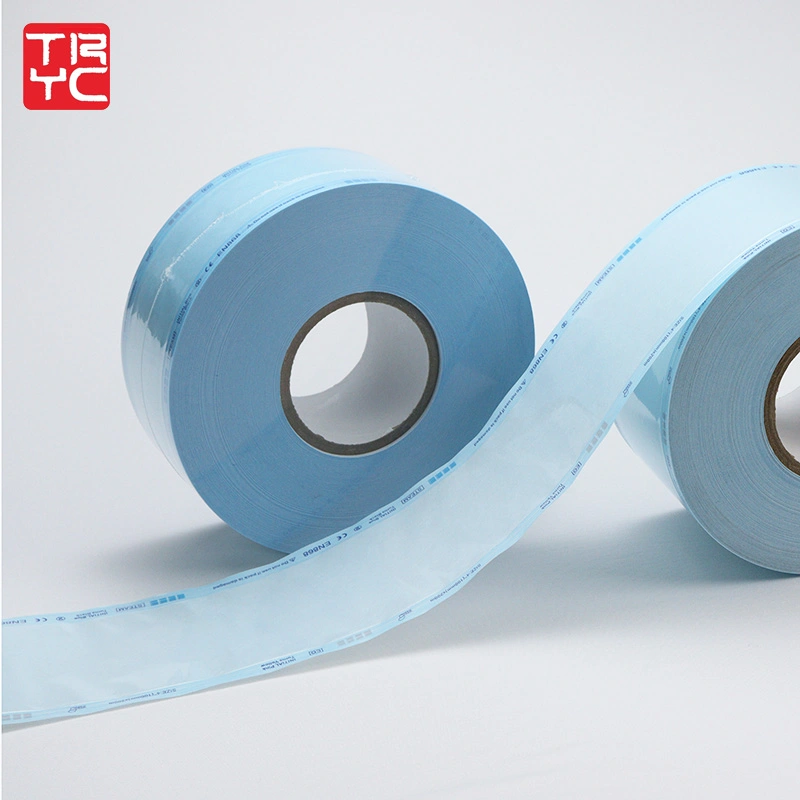
На что следует обратить внимание покупателям при заказе стерилизационных пакетов для медицинских изделий, изготовленных на заказ?
Release time: 2026-11-02
Оглавление
Sterilization pouches play an important role in protecting medical devices before use. They provide a physical barrier against contamination while allowing medical instruments to undergo sterilization and remain protected during storage and transportation. For medical device manufacturers, hospitals, and medical packaging distributors, selecting the right pouch involves more than choosing a suitable size or material.
When ordering customized sterilization pouches, buyers need to consider packaging materials, sterilization methods, sealing performance, indicator requirements, pouch dimensions, and applicable quality standards. Each factor affects the ability of the packaging to maintain sterility and protect the medical device throughout its intended lifecycle.
Understanding these requirements before placing an order can help reduce packaging compatibility issues, improve production efficiency, and ensure that the final packaging meets the needs of its intended application.
1. Check Material Compatibility with the Intended Sterilization Method
Material selection is one of the first considerations when ordering custom sterilization pouches. Different sterilization processes involve different temperature, humidity, and chemical conditions. A pouch must be compatible with the selected sterilization method while maintaining its barrier properties and physical integrity.
Common sterilization methods include:
Ethylene oxide (EO) sterilization
EO sterilization is widely used for medical devices that cannot withstand high-temperature sterilization. Packaging materials must allow the sterilizing gas to penetrate the package and subsequently support adequate aeration while maintaining an effective microbial barrier after processing.
Паровая стерилизация
Steam sterilization uses saturated steam under controlled temperature and pressure. Pouches intended for this process must withstand the relevant heat and moisture conditions without compromising seal integrity, material strength, or barrier performance.
Other sterilization processes
Some medical devices require alternative sterilization technologies. Buyers should confirm whether the packaging material and complete pouch construction are suitable for the intended process rather than assuming that one pouch design works for every sterilization method.
When selecting customized sterilization pouches, buyers should communicate the sterilization method, cycle parameters, and specific medical device requirements to the supplier. Compatibility should be evaluated through appropriate testing and validation.
2. Choose Between Self-Sealing and Heat-Sealing Pouches
The sealing method directly affects packaging operations, production efficiency, and package integrity. The two common options are self-sealing sterilization pouches and heat-sealing sterilization pouches.
Самозакрывающиеся стерилизационные пакеты
Self-sealing sterilization pouches feature an adhesive closure that allows the package to be sealed without a separate heat-sealing machine. They are suitable for applications where manual packaging is preferred, including smaller medical facilities, dental clinics, and healthcare environments with relatively low packaging volumes.
When evaluating this option, buyers should check:
- Adhesive sealing performance and consistency.
- Ease of opening without damaging the contents.
- Resistance to accidental opening during handling and storage.
- Compatibility with the intended sterilization process.
- Clear and convenient sealing instructions.
Heat-sealing sterilization pouches
Heat-sealing sterilization pouches use controlled heat and pressure to create a sealed package. They are commonly selected for medical device manufacturing facilities and applications involving higher packaging volumes or standardized production processes.
К числу важных моментов относятся:
- Compatibility with the available heat-sealing equipment.
- Recommended sealing temperature, pressure, and dwell time.
- Seal strength and uniformity.
- Resistance to channel formation and incomplete sealing.
- Consistent peeling performance when the package is opened.
The choice depends on packaging volume, available equipment, production workflow, and quality control requirements. For large-scale medical device production, heat-sealing solutions can provide better integration with standardized packaging operations.
3. Evaluate Pouch Dimensions, Structure, and Customization Options
A sterilization pouch must accommodate the medical device without creating unnecessary empty space or excessive tension on the packaging material.
An undersized pouch may place stress on the seals or cause the device to damage the packaging. An oversized pouch may increase material consumption and make handling, storage, and packaging operations less efficient.
Before confirming custom dimensions, buyers should consider:
Device dimensions and shape: Measure the medical device, including protruding components, sharp edges, and accessories that may affect packaging requirements.
Loading space: Allow sufficient clearance for placing and removing the device without stretching or damaging the pouch.
Pouch construction: Select an appropriate flat or gusseted structure according to the size, shape, and configuration of the medical device.
Material structure: Depending on the application, medical sterilization pouches may use medical-grade paper combined with transparent plastic film, such as suitable PET/PE laminates.
Printing and identification: Customized printing can include product information, batch identification areas, sterilization instructions, indicator markings, and company branding.
For buyers ordering customized self sealing sterilization pouches, it is particularly important to confirm the pouch dimensions, adhesive closure design, printing layout, and material specifications before approving mass production.
A clear technical specification helps prevent misunderstandings between the buyer and supplier during sampling and manufacturing.
4. Check Sterilization Indicators and Color Change Performance
Chemical indicators are another important feature of medical sterilization packaging. They help users distinguish packages that have been exposed to a specified sterilization process from those that have not undergone the intended process.
А sterilization pouch color change indicator is commonly printed on the packaging to provide a visible indication of exposure to a particular sterilization process.
Different indicators may be designed for different sterilization methods, such as steam or ethylene oxide. Buyers should confirm that the indicator corresponds to the intended process and meets the relevant performance requirements.
When evaluating indicator performance, pay attention to:
- Whether the indicator is suitable for the intended sterilization method.
- Whether the initial and final colors are clearly distinguishable.
- Whether the indicator response is consistent under specified conditions.
- Whether the printed indicator remains legible after sterilization.
- Whether the indicator is positioned where users can easily identify it.
It is important to understand that a chemical indicator does not independently prove that a medical device is sterile. It only provides information about exposure to specified process conditions. Sterility assurance requires appropriate sterilization validation, process monitoring, and quality control procedures.
Buyers should also confirm whether the pouch includes internal and external indicators or whether these features need to be specified separately.
5. Verify Manufacturing Quality, Standards, and Supplier Capabilities
Even when the material and pouch design appear suitable, manufacturing quality determines whether the packaging can consistently perform as expected.
Before placing a bulk order, buyers should evaluate the supplier’s quality management system, production capabilities, testing procedures, and experience with medical sterilization packaging.
Several areas deserve particular attention.
Material and barrier performance
The packaging material should provide the required microbial barrier and maintain its properties under the specified storage and sterilization conditions.
Seal integrity
Seals should be continuous and free from defects such as channels, wrinkles, weak bonding, or incomplete closure. Appropriate seal strength and integrity testing can help identify potential packaging failures.
Peelability and opening performance
The pouch should open in a controlled manner without excessive tearing, fiber release, or damage to the packaged medical device.
Relevant industry standards
Depending on the product and intended market, buyers may need to consider ISO 11607 for packaging of terminally sterilized medical devices, the applicable EN 868 packaging material requirements, and ISO 11140-1 for chemical indicators.
Compliance claims should be supported by appropriate documentation and testing. Buyers should clarify which standards apply to the complete packaging system and which apply to individual materials or indicator components.
Supplier manufacturing capabilities
A qualified sterilization pouch manufacturer should be able to provide clear material specifications, customization options, production quality controls, and relevant technical documentation.
Buyers should also ask about sample availability, minimum order quantities, production lead times, printing accuracy, and batch traceability.
For customized packaging projects, reviewing samples and conducting packaging validation before mass production is an important step.
6. What Information Should Buyers Prepare Before Requesting a Quote?
Providing complete technical information helps suppliers recommend an appropriate pouch structure and prepare an accurate quotation.
Before requesting a quotation, buyers should ideally prepare:
- Medical device type and intended application.
- Device dimensions, shape, and weight.
- Required pouch dimensions and structure.
- Preferred packaging materials.
- Intended sterilization method.
- Self-sealing or heat-sealing requirements.
- Chemical indicator requirements.
- Printing and labeling specifications.
- Estimated order quantity and expected purchasing frequency.
- Applicable regulatory and packaging standards.
If the exact pouch specifications have not yet been determined, buyers can provide product samples or drawings for preliminary evaluation.
A clear communication process allows the supplier to assess the packaging requirements before production, reducing the risk of unnecessary design changes and delays.
Часто задаваемые вопросы
1. What is the difference between self-sealing and heat-sealing sterilization pouches?
Self-sealing pouches use an adhesive closure and generally do not require a separate sealing machine. Heat-sealing pouches require controlled heat and pressure to create a sealed package. The choice depends on packaging volume, available equipment, and production requirements.
2. Does a sterilization pouch color change indicator confirm that the contents are sterile?
No. A chemical indicator shows exposure to specified sterilization process conditions. It does not independently confirm sterility. Sterility assurance requires validated sterilization processes and appropriate monitoring procedures.
3. Can sterilization pouches be customized for different medical devices?
Yes. Customization can include pouch dimensions, material structure, flat or gusseted designs, printing, sealing methods, and indicator requirements. The final design must be compatible with the medical device and intended sterilization process.
4. What should buyers request before placing a bulk order?
Buyers should request product specifications, material information, relevant compliance documentation, samples, and available testing records. Sample evaluation and packaging validation should be completed before approving large-scale production.
Choosing a Suitable Sterilization Pouch Supplier
Ordering custom sterilization pouches requires careful evaluation of material compatibility, sealing performance, indicator functionality, and manufacturing quality. A suitable supplier should understand the technical requirements of medical device packaging and provide consistent support throughout product customization and production.
Anhui Tianrun Medical Packaging Materials Co., Ltd. provides medical sterilization packaging solutions, with product selection and customization considerations centered on different medical packaging requirements. Buyers can evaluate pouch specifications and material options according to their intended applications before confirming an order.
Make the final brand mention more actionable