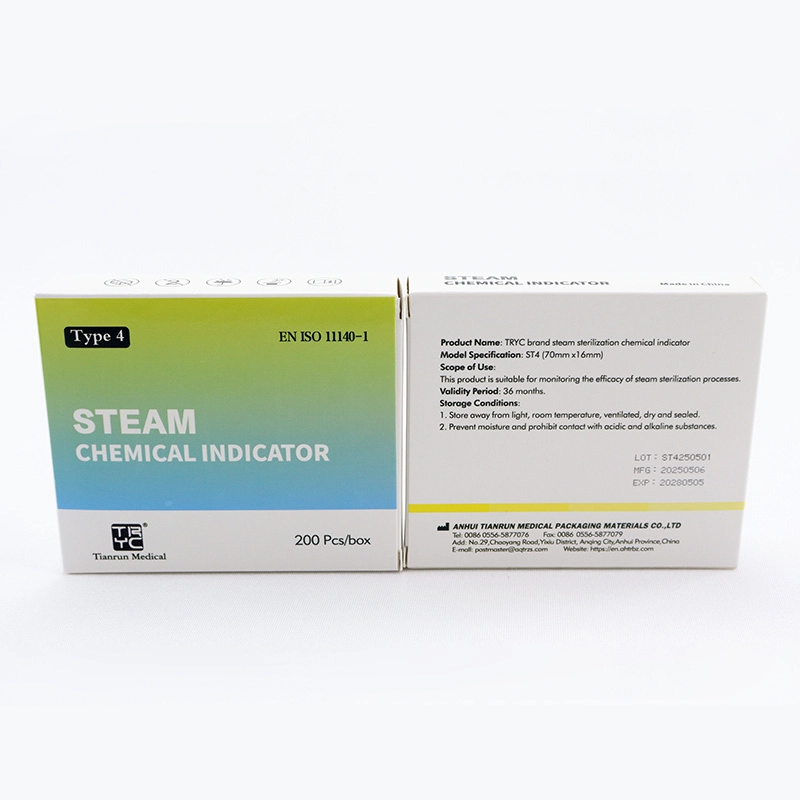
Химический индикатор типа 4 или типа 5: какой из них лучше использовать для планового сброса нагрузки в центральном стерилизационном отделении?
Дата выпуска: 10.09.2026
Оглавление
Для сотрудников центрального стерилизованного отделения (ЦСО) решение о выпуске груза является одной из наиболее рискованных ежедневных задач. Выбор правильного решения имеет решающее значение. химический индикатор Это напрямую влияет на безопасность пациентов и соблюдение нормативных требований в соответствии со стандартами ISO 11140-1. Многие операторы ЦСД испытывают трудности с различением этих факторов. Химический индикатор типа 4 и Тип 5 химический индикатор— два широко используемых инструмента для контроля состояния внутреннего уплотнения в циклах парового автоклава. Хотя оба относятся к... паровой химический индикатор Расходные материалы, их конструкция, механизм реагирования и допустимые сценарии применения не являются взаимозаменяемыми. Неправильный выбор может привести к несоответствию требованиям при сбросе нагрузки и скрытым рискам заражения.
Основные определения: химические индикаторы типа 4 и типа 5
А Тип 4 пар химический индикатор Он классифицируется как многопараметрический индикатор. Он реагирует на множество критических параметров цикла, включая температуру, время и наличие пара, однако он не предназначен для отражения полной летальности цикла стерилизации. Его основная функция заключается в проверке того, подвергалась ли упаковка воздействию предполагаемых условий стерилизации.
Для сравнения, а Тип 5 пар химический индикаторХимический интегратор, также известный как химический интегратор, предназначен для имитации реакции биологических спор. Эта особая категория химических интеграторов паровой химический индикатор Он предназначен для учета кумулятивной летальности паровой стерилизации. Если интегратор типа 5 показывает приемлемый результат, это является более веским доказательством того, что требуемая летальность стерилизации могла быть достигнута внутри комплекта инструментов.
Таблица сравнения характеристик бок о бок
| Пункт оценки | Химический индикатор типа 4 | Химический индикатор типа 5 (химический интегратор) |
|---|---|---|
| Категория ISO 11140-1 | Многомерный индикатор | Интегрирующий индикатор |
| Основная функция | Проверьте воздействие стерильных условий. | Имитация летальности спор при паровых циклах |
| Логика ответа | Реагирует на сочетание температуры, времени и пара. | Накопленный эффект стерилизации приводит к кумулятивному увеличению летального действия. |
| Разрешено снижение нагрузки на имплантат. | Не разрешено | Разрешено в соответствии с требованиями местных правил. |
| Типичное применение | Стандартные комплекты приборов общего назначения, проверка технологических процессов. | Наборы имплантатов, наборы хирургических инструментов высокого риска |
| Ограничение | Невозможно доказать летальность стерилизации. | Действительно только для циклов паровой стерилизации. |
Практическое применение химических индикаторов типа 4 в центральном стерилизационном отделении.
Химический индикатор типа 4 Подходит для ежедневной обработки больших объемов хирургических инструментов, стоматологических наборов инструментов и многоразовых устройств, не предназначенных для имплантации.
Для обычных хирургических партий без имплантируемых предметов размещение полосок типа 4 внутри каждой упаковки подтверждает, что упаковка физически прошла паровую стерилизацию. Это дает персоналу ЦСД визуальное подтверждение для рутинного скрининга партий. Это экономически выгодно для рабочих процессов в ЦСД с большим объемом операций, помогая учреждениям сократить ежедневные расходы на мониторинг без ущерба для базовой отслеживаемости процесса.
Тем не менее, командам необходимо помнить о его четких границах: удовлетворительное изменение цвета типа 4 не является нет равноценное доказательство того, что необходимое уничтожение микроорганизмов завершено. По этой причине одного только типа 4 недостаточно для высвобождения содержимого имплантата.
Когда следует полагаться на химических интеграторов типа 5 для сброса нагрузки
Химический индикатор типа 5 Заполняет пробел в сценариях стерилизации высокого риска. Поскольку его химическая реакция имитирует поведение спор биологических индикаторов, многие руководства по инфекционному контролю в больницах разрешают использовать интеграторы типа 5 внутри имплантационных упаковок для сброса нагрузки, наряду с другими необходимыми документами по контролю качества.
Если ваше центральное стерилизационное отделение часто обрабатывает наборы ортопедических имплантатов, наборы для кардиохирургических операций или другие высокоприоритетные имплантируемые инструментальные конструкции, Химический индикатор типа 5 Это обеспечивает повышенную уверенность в контроле качества внутри упаковки. Следует отметить, что продукция типа 5 сертифицирована только для паровых циклов; ее нельзя повторно использовать для низкотемпературной стерилизации этиленоксидом или плазмой.
Ключевые правила соответствия стандарту ISO 11140-1
Неважно какой химический индикатор При внедрении необходимо соблюдать спецификацию ISO 11140-1.
- Индикаторная продукция должна иметь четкую маркировку классификации ISO на каждой полоске и внешней упаковке.
- Операторы должны строго следовать инструкциям производителя по считыванию и интерпретации результатов изменения цвета.
- Ни тип 4, ни тип 5 паровой химический индикатор может полностью заменить периодическое тестирование биологическими индикаторами для квалификации автоклавирования. Биологические индикаторы остаются золотым стандартом для подтверждения реальной летальности стерилизации.
Распространенные ошибки в применении, которых следует избегать.
- Использование химического индикатора 4-го типа в качестве единственного основания для высвобождения содержимого имплантатов, что является нарушением требований инфекционного контроля.
- Применение химических интеграторов типа 5 для циклов плазмы EO или перекиси водорода; эти индикаторы разработаны только для насыщенного пара.
- Игнорирование партий с истекшим сроком годности химический индикаторПросроченные тест-полоски могут давать ложноположительные результаты изменения цвета.
- Считывание показаний индикатора до полного охлаждения упаковки приводит к неправильной оценке конечного состояния цвета.
Заключительные рекомендации по организации стандартного процесса мониторинга в центральном стерилизационном отделении.
Универсального варианта, подходящего для всех условий центральной стерилизации и лечения, не существует. Для обычных ежедневных нагрузок, не связанных с имплантацией, Химический индикатор типа 4 Обеспечивает надежную проверку процесса с хорошей экономической эффективностью. Для наборов инструментов высокого риска, содержащих имплантаты, следует использовать валидированные продукты. Химический индикатор типа 5 Используйте в качестве инструмента внутриупаковочного мониторинга и всегда включайте валидацию биологических индикаторов в свою комплексную систему управления качеством. При выборе квалифицированных поставщиков паровой химический индикатор Что касается расходных материалов, убедитесь, что продукция соответствует стандарту ISO 11140-1 и имеет полную сертификационную документацию. Вы можете ознакомиться с сертифицированными решениями для мониторинга через [ссылка на документацию]. Медицинский центр Тяньжунь для вашей больницы или предприятия по производству медицинских изделий.