Por que os hospitais dependem de indicadores biológicos para garantir a esterilidade?
Data de lançamento: 08/06/2026
Índice
A segurança do paciente é a pedra angular da assistência médica moderna. Diariamente, milhares de procedimentos cirúrgicos são realizados em todo o mundo, exigindo que milhões de instrumentos médicos sejam impecavelmente esterilizados. No entanto, a ameaça invisível das infecções hospitalares (IH) paira constantemente sobre as instalações médicas, podendo levar a internações prolongadas, complicações graves e aumento dos custos da assistência médica. Para combater essas ameaças microscópicas, os centros médicos dependem de protocolos de prevenção de infecções extremamente rigorosos. Fundamental para esses procedimentos que salvam vidas é a esterilização. indicador biológico, uma ferramenta definitiva e cientificamente comprovada, utilizada para confirmar que microrganismos perigosos foram completamente erradicados de instrumentos cirúrgicos e equipamentos médicos.
Ao contrário de simples indicadores físicos ou fitas químicas que mudam de cor e apenas mostram a exposição ao calor ou vapor, os testes com esporos vivos oferecem certeza absoluta. Este artigo explora a ciência, a aplicação e a inegável necessidade do monitoramento biológico em ambientes hospitalares modernos.
A ciência por trás da garantia de esterilidade na área da saúde.
Compreender o mecanismo subjacente ao monitoramento microbiano revela exatamente por que essas ferramentas são indispensáveis em um ambiente clínico. Os monitores biológicos são meticulosamente projetados usando esporos bacterianos altamente resistentes e não patogênicos — mais comumente Geobacillus stearothermophilus para ambientes de vapor em altas temperaturas. Esses esporos específicos são escolhidos por serem incrivelmente difíceis de destruir.
A premissa científica é simples, porém poderosa: se o ciclo de esterilização for robusto o suficiente para eliminar esses esporos hiper-resistentes, há a garantia de que todos os outros patógenos menos resistentes e causadores de doenças (como bactérias, vírus e fungos) presentes na carga cirúrgica também serão destruídos. Quando esses esporos são neutralizados com sucesso, os administradores hospitalares e as equipes cirúrgicas podem ter total confiança na eficácia de seus procedimentos. protocolos de controle de infecção hospitalarAo se basear na morte microbiana real, em vez de suposições mecânicas, preenche-se a lacuna entre os parâmetros teóricos do ciclo e a garantia real de esterilidade.
Por que a esterilização a vapor exige monitoramento rigoroso
Embora os hospitais modernos utilizem vários métodos para esterilizar equipamentos — incluindo plasma de peróxido de hidrogênio e óxido de etileno — a autoclave a vapor continua sendo o método mais utilizado no setor. É rápida, econômica e altamente confiável. No entanto, o sucesso de um ciclo de vapor depende de um delicado equilíbrio entre três parâmetros: tempo, temperatura e qualidade do vapor (umidade).
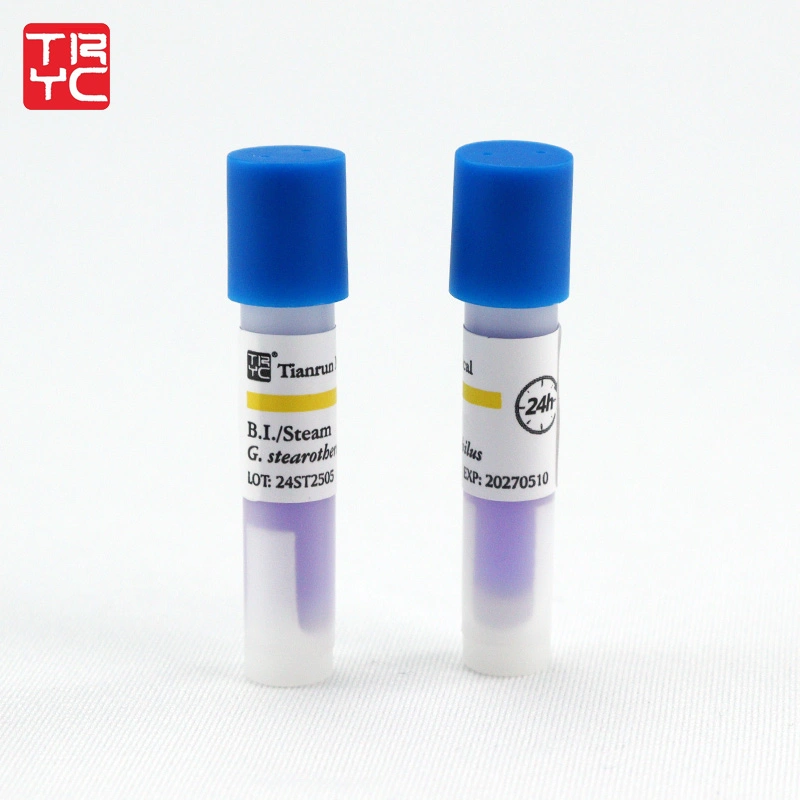
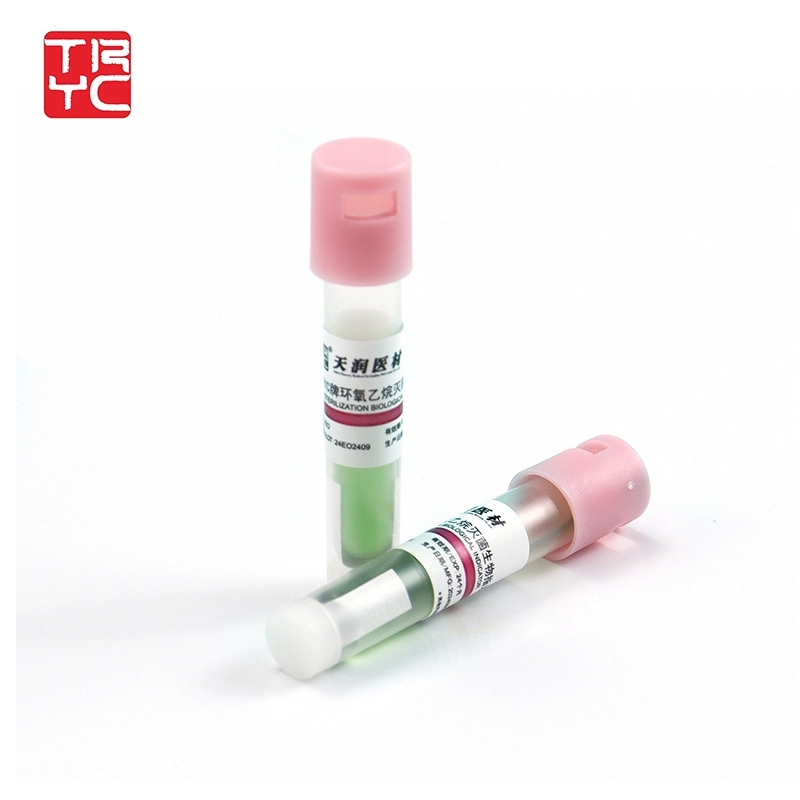
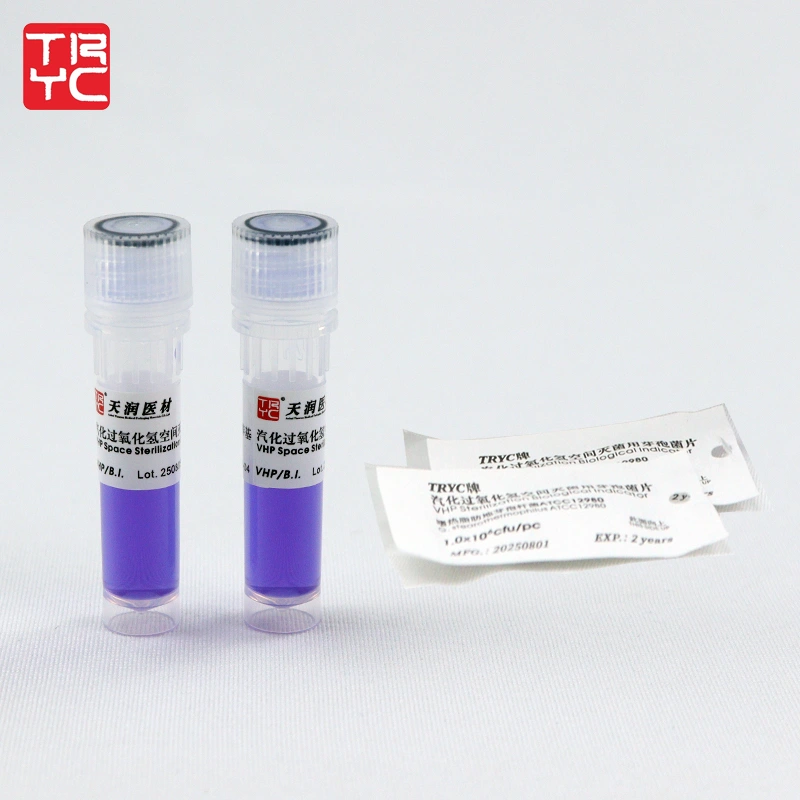
Fatores como embalagem inadequada dos instrumentos, bandejas sobrecarregadas ou falhas mecânicas inesperadas podem facilmente comprometer a penetração do vapor. É exatamente aí que entra um indicador biológico de vapor entra em ação. Ao posicionar estrategicamente esses frascos de teste nas áreas mais densas e desafiadoras de uma carga (frequentemente dentro de um Dispositivo de Desafio de Processo ou PCD), os técnicos podem verificar com precisão o sucesso de seus testes. processos de validação de autoclave.
Além disso, o monitoramento de rotina não é apenas uma boa prática; é uma necessidade diária essencial. Para a segurança operacional diária, é fundamental utilizar equipamentos de alta qualidade. tiras de teste de esporos para autoclaves Garante que cada bandeja cirúrgica liberada para a sala de cirurgia seja inequivocamente segura para contato com o paciente. Sem esse nível de verificação, um hospital opera com base em suposições perigosas.
Principais vantagens da implementação do monitoramento biológico
Para compreender plenamente o valor do monitoramento biológico, é útil compará-lo com outros métodos de monitoramento padrão utilizados em instalações de saúde. O reprocessamento de dispositivos médicos requer uma abordagem multifacetada, mas a verificação biológica ocupa o topo dessa hierarquia.
| Método de monitoramento | Como funciona | O que isso prova | Limitações |
|---|---|---|---|
| Físico/Mecânico | Monitora dados da máquina (mostradores, impressões de tempo, pressão e temperatura). | Comprova que a máquina atingiu os parâmetros definidos durante o ciclo. | Não é possível comprovar que o vapor realmente penetrou nos compartimentos dos instrumentos. |
| Indicadores químicos | Tintas sensíveis ao calor que mudam de cor quando expostas a condições de esterilização. | Comprova que a embalagem foi exposta a vapor/calor por um determinado período. | Não comprova definitivamente a letalidade microbiana; sujeito a erros de interpretação. |
| Indicadores biológicos | Frascos contendo milhões de esporos bacterianos vivos altamente resistentes. | Comprova que as condições exatas necessárias para matar formas de vida altamente resistentes foram atendidas. | Os modelos tradicionais exigem um período de incubação, embora a tecnologia de leitura rápida tenha atenuado esse problema. |
Órgãos reguladores em todo o mundo, incluindo a FDA, o CDC e a ISO, exigem estrita observância a normas de esterilização de dispositivos médicosA implementação de testes com esporos vivos fornece uma medida direta e inegável de letalidade. Esse nível de dados empíricos é absolutamente crucial para uma avaliação abrangente. monitoramento da esterilização CSSD (Departamento de Serviços Centrais de Esterilização), garantindo que as instalações passem por inspeções sanitárias rigorosas e evitem responsabilidades legais e médicas catastróficas.
Aplicações em todos os departamentos hospitalares
A jornada de um instrumento cirúrgico é cíclica. Da sala de cirurgia à área de descontaminação e de volta aos esterilizadores, cada etapa deve ser impecável. A necessidade de um sistema confiável indicador biológico para esterilização é universal em vários departamentos dentro de uma rede de saúde.
- Salas de Cirurgia (SC): Dispositivos implantáveis (como parafusos ortopédicos ou marcapassos) representam o maior risco de infecção. As normas determinam que toda carga contendo um dispositivo implantável deve ser monitorada com um teste biológico e mantida em quarentena até que um resultado negativo para esporos seja obtido.
- Departamentos de Serviços Centrais de Esterilização (CSSD): A Central de Esterilização (CSSD) é o coração pulsante da logística hospitalar, processando milhares de instrumentos diariamente. Alcançar e manter os mais altos padrões de qualidade é fundamental. níveis de garantia de esterilidade em saúde Isso evita a contaminação cruzada em todo o hospital.
- Consultórios odontológicos e clínicas ambulatoriais: Mesmo as clínicas satélites menores dentro de uma rede hospitalar devem seguir os mesmos padrões rigorosos para proteger os pacientes durante procedimentos de rotina.
Para atender a essas demandas massivas, marcas como a Tianrun entram em cena para fornecer a consistência, a escalabilidade e a precisão que as grandes redes de saúde exigem para manter um fluxo operacional contínuo e seguro.
Como escolher as soluções de monitoramento certas
Nem todas as ferramentas de monitoramento de esterilidade são iguais. Com o aumento do volume de cirurgias, administradores hospitalares e gerentes de centrais de esterilização precisam selecionar ferramentas que equilibrem precisão e eficiência operacional. No passado, os testes biológicos exigiam um período de incubação de 24 a 48 horas, o que obrigava os hospitais a colocar os instrumentos em quarentena ou liberá-los "com risco de contaminação".
Hoje em dia, as instalações médicas modernas exigem tecnologia avançada. sistemas de monitoramento de leitura rápidaUtilizando tecnologia de fluorescência, esses sistemas avançados conseguem detectar a sobrevivência ou morte de esporos em apenas 20 minutos a algumas horas. Essa rápida resposta permite que os hospitais liberem os kits cirúrgicos com segurança e maior agilidade, otimizando o gerenciamento de estoque sem comprometer o bem-estar do paciente.
Ao avaliar parceiros para métodos confiáveis de erradicação de patógenosAs instalações devem buscar conformidade com a norma ISO, facilidade de uso e suporte ao cliente confiável. Fabricantes como a Tianrun oferecem soluções de monitoramento avançadas e altamente calibradas, personalizadas para atender à natureza exigente e dinâmica dos ambientes clínicos contemporâneos, garantindo que a segurança nunca seja sacrificada em prol da velocidade.
Conclusão
A batalha contínua contra infecções hospitalares é travada e vencida, em grande parte, nos bastidores, longe do leito do paciente. Utilizar um indicador biológico não é apenas uma formalidade para cumprir normas regulamentares; é uma obrigação moral fundamental para proteger a vida humana. Ao investir nos mais altos padrões de verificação de esterilização e ao estabelecer parcerias com fornecedores confiáveis do setor, como [nome da empresa/organização], você garante a prevenção e o combate às infecções hospitalares. TianrunDessa forma, os hospitais podem garantir a eficiência de seus fluxos de trabalho, proteger sua reputação e, o mais importante, assegurar que todos os pacientes recebam atendimento em um ambiente verdadeiramente seguro.
Perguntas frequentes (FAQ)
P1: Com que frequência um indicador biológico a vapor deve ser usado em um ambiente hospitalar?
Responder: De acordo com importantes organizações de saúde, como o CDC e a AAMI, os testes biológicos devem ser realizados pelo menos semanalmente, mas preferencialmente todos os dias em que o esterilizador estiver em operação. Além disso, é estritamente obrigatório o uso de um teste em cada ciclo de esterilização que inclua dispositivos médicos implantáveis, e a carga não deve ser liberada até que o teste confirme a esterilidade.
Q2: O que diferencia um indicador biológico de esterilização de uma fita indicadora química?
Responder: As fitas e tiras indicadoras químicas dependem de tinta termossensível para mudar de cor. Elas apenas confirmam que a parte externa (ou interna) da embalagem foi exposta ao agente esterilizante por um período específico. Em contraste, as ferramentas biológicas contêm esporos vivos reais e altamente resistentes. Um teste biológico bem-sucedido fornece prova definitiva de que as condições do ciclo foram letais o suficiente para destruir fisicamente a vida microbiana, oferecendo uma garantia de segurança muito maior.
Q3: Qual protocolo um hospital deve seguir se um teste de esporos apresentar um resultado positivo (reprovado)?
Responder: Um resultado positivo indica que o ciclo de esterilização não conseguiu eliminar os esporos, o que significa que os instrumentos desse lote estão potencialmente contaminados. O hospital deve recolher imediatamente todos os itens processados nesse lote (e possivelmente em lotes anteriores desde o último teste aprovado). O esterilizador deve ser imediatamente retirado de serviço, inspecionado por um técnico qualificado, reparado e testado novamente com múltiplos testes biológicos consecutivos bem-sucedidos antes de ser liberado para uso em atendimento ao paciente.