Bolsas autosellantes frente a bolsas termosellables: ¿Cuál se adapta mejor a su flujo de trabajo de esterilización central?
Fecha de lanzamiento: 1 de septiembre de 2026
Tabla de contenido
Cada departamento de esterilización central, clínica dental y centro quirúrgico ambulatorio necesita un embalaje de barrera estéril confiable para los instrumentos reprocesados. Al planificar su flujo de trabajo de embalaje de instrumentos, una de las decisiones de adquisición más comunes es si utilizar un bolsa de esterilización autosellante o un sellado térmico esterilización bolsaAmbos son laminados de papel y película diseñados para esterilización con vapor o óxido de etileno y cumplen plenamente con la norma ISO 11607. Sin embargo, cada opción ofrece resultados operativos muy diferentes para su flujo de trabajo diario de reprocesamiento.
Principales diferencias entre las bolsas autosellantes y las bolsas termosellables
A bolsa autosellante Incluye una tira adhesiva sensible a la presión integrada. Una vez colocados los instrumentos en el interior, el personal retira la lámina protectora, dobla la solapa y presiona firmemente para sellar. No se requiere ningún equipo de sellado adicional durante el proceso de empaquetado.
Por el contrario, un bolsa termosellable No lleva adhesivo preaplicado. Los operarios deben pasar el borde abierto por una máquina termoselladora. El calor y la presión controlados funden la capa de sellado, formando una línea de sellado permanente y fusionada. Esta diferencia fundamental en el método de cierre determina las necesidades de personal, la distribución del espacio de trabajo, la velocidad de procesamiento y la fiabilidad a largo plazo de la barrera estéril.
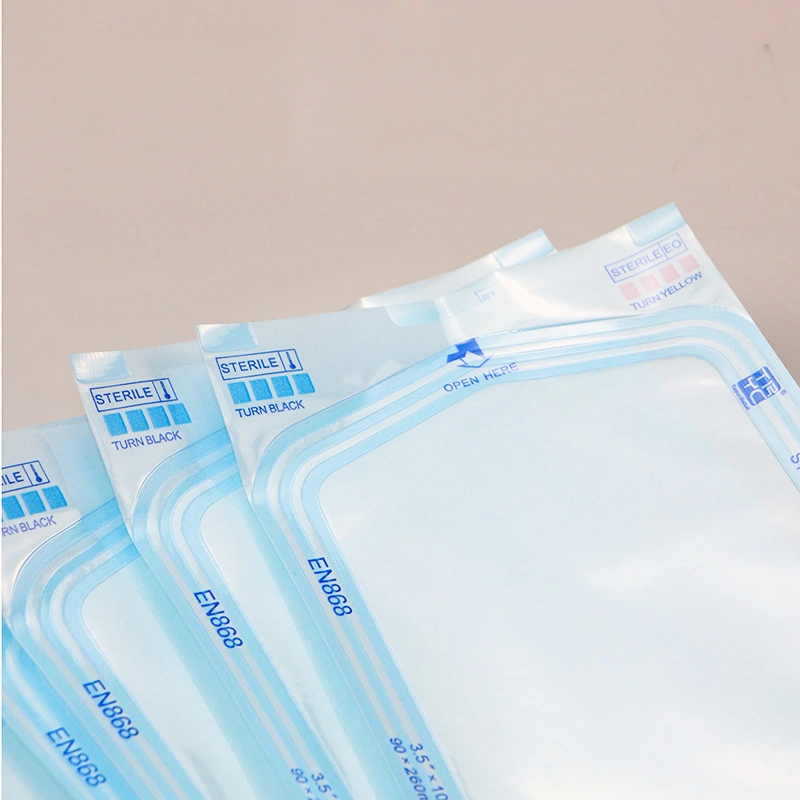
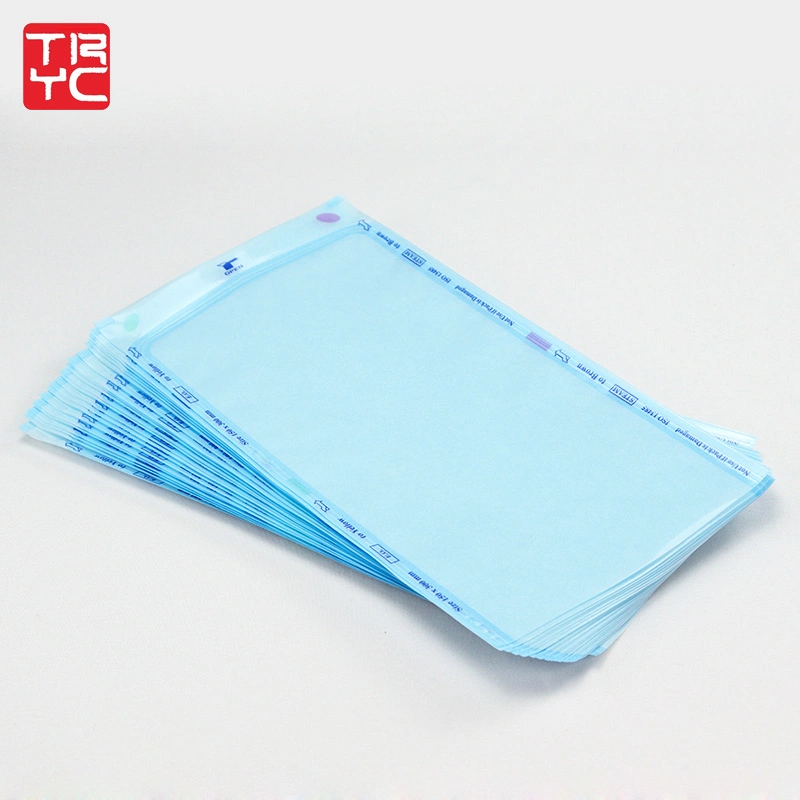
Tabla comparativa de rendimiento lado a lado
| Elemento de evaluación | Bolsa autosellante | Bolsa termosellable |
|---|---|---|
| Método de sellado | Sello adhesivo manual sensible a la presión | Sellado termofusionado mediante máquina de termosellado |
| Se requiere equipo adicional | No es necesario | Máquina selladora térmica y calibración periódica |
| Consistencia del sello | Depende de la fuerza de presión manual. | Alta repetibilidad con ajustes de máquina estables |
| Rendimiento de almacenamiento a largo plazo | Riesgo medio de desprendimiento de los bordes | Excelente, resistente a la separación y a las fugas. |
| Velocidad del flujo de trabajo para lotes pequeños | Rápido, sin tiempo de calentamiento. | Más lento, esperando a que se precaliente la selladora. |
| Escenario óptimo | Clínicas dentales, unidades de esterilización central de bajo volumen, estaciones descentralizadas | Unidades de esterilización central (CSSD) de hospitales a gran escala, lotes de alto volumen, instrumentos de implante |
Ventajas del flujo de trabajo de las bolsas autosellantes
Para departamentos de bajo volumen, clínicas satélite, unidades de tratamiento móviles y consultorios dentales con presupuestos limitados para equipos, bolsas autosellantes Ofrecen claros beneficios relacionados con el flujo de trabajo.
Al no requerir una máquina de termosellado, se ahorra espacio en la encimera y se eliminan las tareas de mantenimiento del equipo. El empaquetado puede realizarse en cualquier estación de trabajo sin necesidad de esperar a que la selladora se caliente. Esto agiliza las tareas de preparación de instrumental en pequeñas cantidades y reduce los cuellos de botella cuando solo se necesita esterilizar un pequeño lote de herramientas.
Las bolsas autosellantes también son fáciles de usar para el personal temporal nuevo. Se requiere una capacitación mínima para lograr un cierre adecuado, lo cual resulta útil durante los períodos de mayor actividad estacional o los cambios en la rotación de personal.
Aun así, los equipos deben tener en cuenta que el cierre con adhesivo depende totalmente de una presión manual constante. Una técnica de presión deficiente puede crear huecos invisibles que comprometan la barrera estéril después de la esterilización.
Ventajas de las bolsas termosellables para operaciones de esterilización central de alto volumen
Las unidades de esterilización centrales (CSSD) de hospitales a gran escala que procesan cientos de juegos de instrumentos cada día suelen obtener mejores resultados a largo plazo. bolsas termosellablesLos sellos generados por termoselladora ofrecen una repetibilidad mucho mayor. Una vez que se ajustan correctamente la temperatura, la velocidad y la presión, cada bolsa obtiene una línea de sellado uniforme y duradera, lo que reduce considerablemente los riesgos de error humano.
Los cierres termosellados también son más adecuados para el almacenamiento estéril a largo plazo. El sellado fusionado resiste el desprendimiento, la separación y las fugas con mucha más fiabilidad que las tiras adhesivas durante el transporte, el apilamiento y el almacenamiento prolongado en estanterías. Esto convierte a las bolsas termoselladas en una opción más segura para instrumental de implantes o kits quirúrgicos de alto riesgo.
La principal desventaja para las instalaciones que adoptan procesos de sellado térmico es la inversión inicial. Deberá presupuestar máquinas de sellado térmico, la calibración programada del equipo y un espacio de trabajo específico alrededor de la estación de sellado.
Consideraciones clave sobre el cumplimiento normativo y la integridad del sello
Independientemente de la bolsa de esterilización que seleccione, su embalaje debe cumplir con los requisitos de la norma ISO 11607 para sistemas de barrera estéril. Las pruebas de integridad del sellado, las auditorías rutinarias del flujo de trabajo y la inspección visual posterior al sellado siguen siendo pasos obligatorios de control de calidad.
Las bolsas autosellantes nunca deben sobrecargarse con instrumentos voluminosos y afilados, ya que la presión interna puede abrir los bordes sellados con adhesivo durante los ciclos de esterilización por vapor al vacío. Las bolsas termosellables pueden soportar una mayor presión interna, pero los operadores deben evitar colocar los instrumentos demasiado cerca de la zona de sellado.
Guía práctica para la toma de decisiones: ¿Qué bolsa elegir?
Utilice estas sencillas preguntas centradas en el flujo de trabajo para agilizar el proceso de selección de bolsas:
- ¿Su volumen diario de empaquetado de instrumentos es bajo o medio, o trabaja en múltiples estaciones de trabajo descentralizadas? bolsa autosellante Probablemente se adaptará a tu flujo de trabajo.
- ¿Su CSSD realiza un reprocesamiento centralizado de alto volumen con grandes lotes de instrumentos quirúrgicos? Elija la bolsa termosellable para una calidad de sellado uniforme.
- ¿Está empaquetando instrumentos implantables que requieren una vida útil estéril prolongada? Priorice el empaque termosellado.
- ¿Tiene poco espacio en la encimera o no cuenta con presupuesto para el mantenimiento de los equipos de sellado? Las bolsas autosellantes ofrecen una solución práctica.
Muchos centros sanitarios también emplean un flujo de trabajo híbrido, utilizando bolsas autosellantes para piezas de mano dentales pequeñas y bolsas termosellables para bandejas quirúrgicas grandes.
Guía definitiva para la selección de bolsas de esterilización
No existe una bolsa de esterilización "mejor" universal. La elección correcta depende de que el rendimiento de la bolsa se ajuste a la escala del flujo de trabajo de su clínica, la configuración del personal, las necesidades de duración del almacenamiento y el nivel de riesgo de control de infecciones. bolsa autosellante y bolsa termosellable Puede proporcionar una protección de barrera estéril segura y conforme a la norma ISO cuando se aplica correctamente en entornos operativos adecuados.
Si busca suministros de embalaje de esterilización confiables y de calidad comprobada para su hospital, CSSD o laboratorio dental, recurra a en.ahtrbz.comSuministramos una gama completa de bolsas autosellantes de primera calidad, bolsas termosellables y otros productos de control de esterilización diseñados para adaptarse a los flujos de trabajo de los centros sanitarios y a las normas internacionales de control de infecciones.