Why Sterilization Indicator Tape Is Still a Daily Essential in Medical Sterile Rooms
Release time: 2026-02-24
Walk into any sterile medical room, and you’ll notice something interesting. Alongside advanced sterilizers and neatly organized surgical trays, there’s always a simple roll of tape sitting nearby. It doesn’t look high-tech. It doesn’t make noise. But day after day, sterilization indicator tape quietly does its job—and medical teams still rely on it.
In an environment where mistakes are not an option, small tools that work consistently matter more than people realize.
A Simple Role That Never Goes Away
Sterilization processes have improved over the years, but the basic workflow hasn’t changed much. Surgical trays are wrapped, secured, sterilized, stored, and later opened for use. At every step, staff need a quick way to know: Has this pack been processed or not?
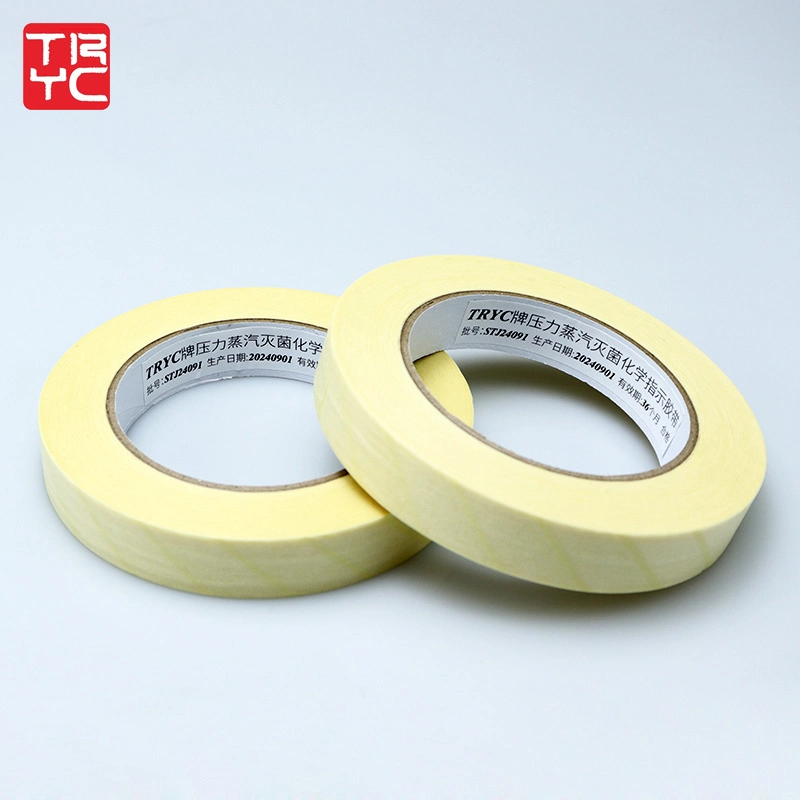
That’s where Sterilization Indicator Tape comes in.
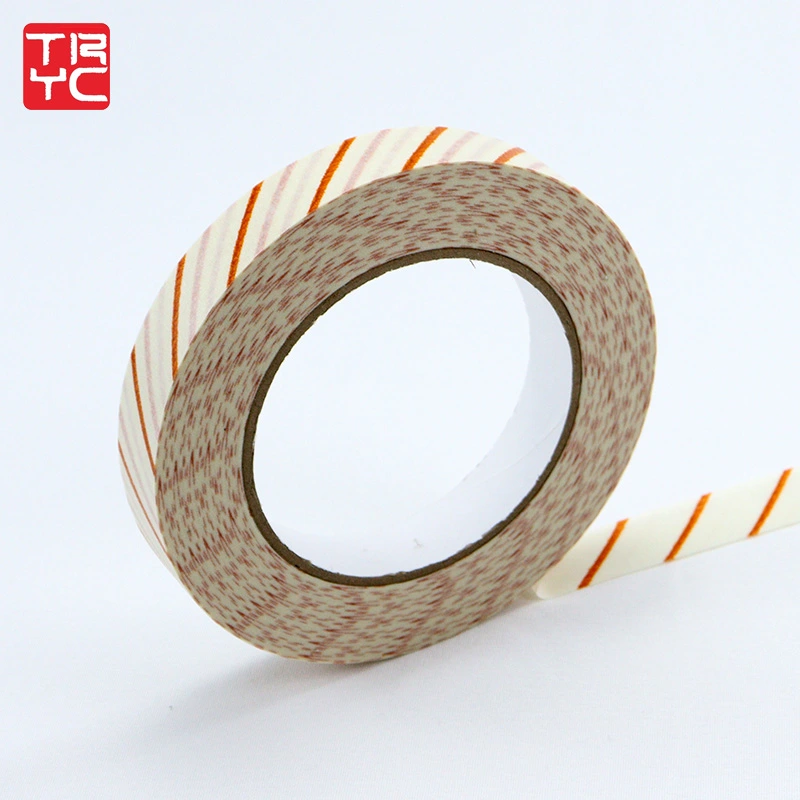
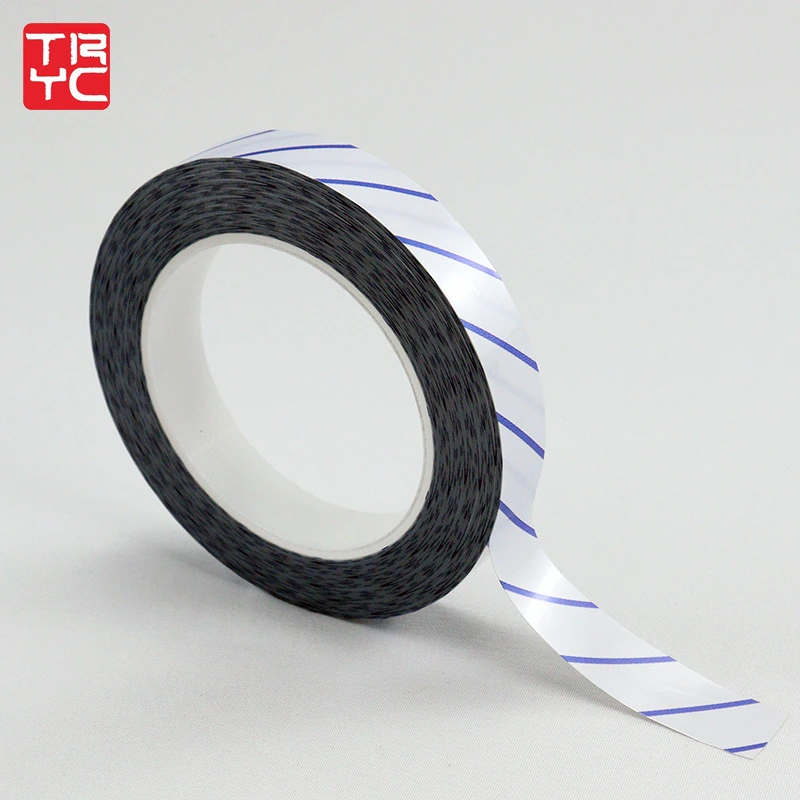
By securing wrapped trays before sterilization and showing a clear color change afterward, the tape gives staff an immediate visual answer—no guessing, no opening packages too early, and no slowing down busy routines.
Why Visual Confirmation Still Matters
In real-world medical settings, time pressure is constant. Nurses and sterile processing staff don’t have the luxury to double-check every tray manually.
A visible indicator on the outside of a wrapped pack helps them:
- Separate processed trays from unprocessed ones
- Avoid unnecessary resterilization.
- Reduce handling errors during storage and transport
It’s not about complexity—it’s about clarity. A quick glance is often all that’s needed.
More Than Just Holding Things Together
While its main job is to secure wrapped trays, sterilization indicator tape does more than simple sealing.
It stays in place during sterilization cycles, handles heat and moisture well, and removes cleanly when it’s time to open the pack. No tearing, no sticky mess, no frustration. These small details make a real difference when the workload is heavy.
Over time, medical teams learn to appreciate products that simply don’t cause problems.
Everyday Use Across Different Medical Settings
- Surgical centers
- Dental clinics
- Medical and research labs
- Veterinary clinics
Anywhere instruments are wrapped and sterilized, the same needs apply: secure packaging and clear process confirmation.
Choosing Tape That Medical Staff Can Trust
Not all indicator tapes perform the same. In practice, users care less about technical descriptions and more about consistency.
Good Sterilization Indicator Tape should:
- Show a clear and reliable color change
- Stick well without damaging wrapping materials
- Tear easily by hand
- Perform the same way every time
When tape fails, it slows down work—and in medical environments, delays matter.
Tianrun’s Focus on Practical Reliability
At Tianrun, we design sterilization indicator tape with daily use in mind. Our goal isn’t to make things complicated but to support smooth workflows in sterile rooms.
Customers choose Tianrun because our tape:
- Performs consistently across sterilization cycles
- It is easy to apply and remove
- Fits naturally into existing sterilization routines
It’s a practical solution built for real working conditions, not just product specifications.
Frequently Asked Questions (FAQ)
1. Does sterilization indicator tape guarantee sterility?
No. It indicates exposure to sterilization conditions, not the sterility of the contents inside.
2. Can the tape be used on different wrapping materials?
Yes. It is commonly used on medical paper, fabric wraps, and nonwoven materials.
3. Is the color change easy to recognize?
Yes. The indicator markings are designed to be clearly visible after sterilization.
Why This Small Product Still Matters
Sterilization Indicator Tape may not attract much attention, but that’s exactly why it works so well. It does its job quietly, reliably, and without adding extra steps.
In sterile medical rooms, those are the tools people keep reaching for—day after day.