What Really Matters When Choosing a Sterilization Wrapping Sheet
Release time: 2026-03-03
Table of Contents
If you’re looking into a sterilization wrapping sheet, chances are you’re dealing with day-to-day sterile processing challenges—instrument trays that are getting heavier, tighter turnaround times, or audit requirements getting stricter. In real hospital environments, the wrapping material isn’t just packaging. It’s part of the infection control chain.
Over the years, I’ve seen that most issues don’t come from dramatic failures—they come from small oversights: weak corners, fiber shedding, or sheets that don’t handle steam cycles well.
Strength and Barrier — The Two Basics
A dependable medical sterilization wrapping sheet needs to do two things well: allow sterilant penetration during processing and block microorganisms afterward. If either side is compromised, sterility is at risk.
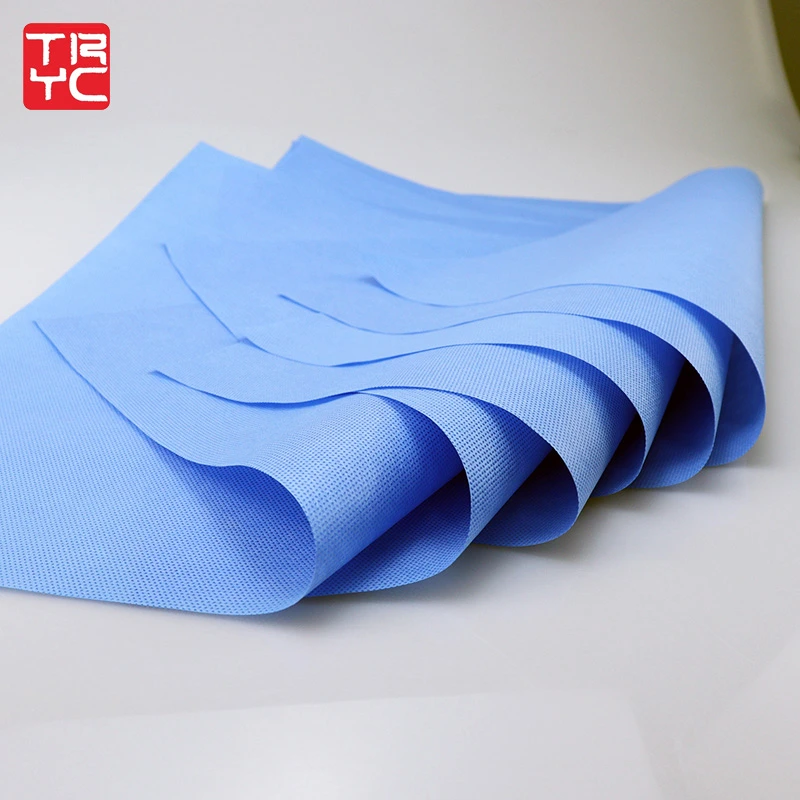
Many facilities rely on SMS sterilization wrap sheets because the layered structure offers a good balance. The inner meltblown layer provides filtration, while the outer spunbond layers give strength. In practice, this means fewer tears during wrapping and fewer rejected packs after sterilization.
What I usually suggest checking:
- Tear and burst strength
- Puncture resistance (especially for sharp instruments)
- Consistency between batches
These details often tell you more than marketing brochures do.
Matching the Wrap to Your Sterilization Method
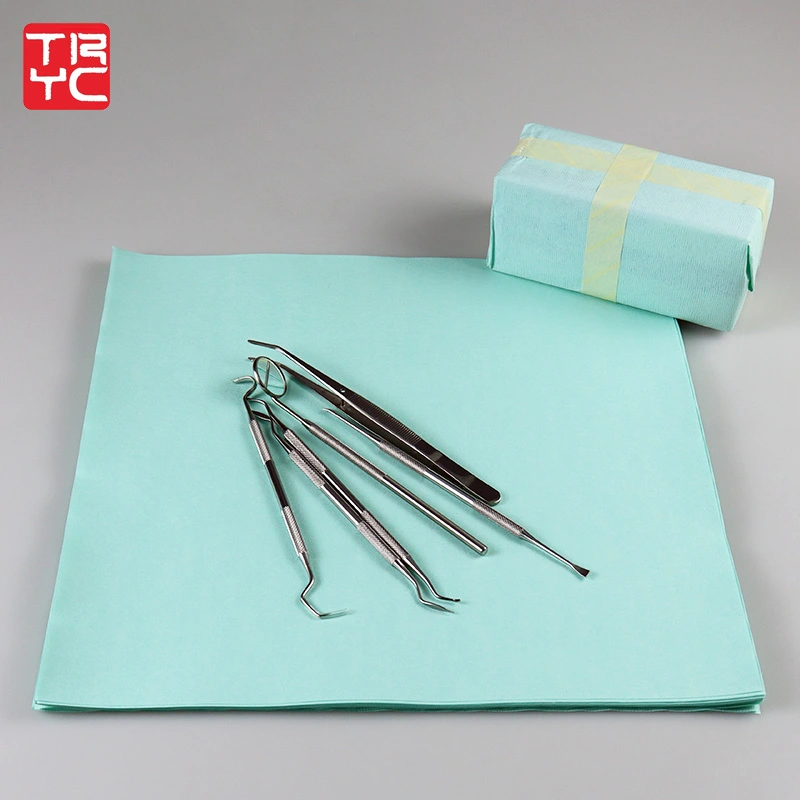
If your department runs mostly steam cycles, a steam sterilization wrapping sheet must tolerate high temperature and pressure without shrinking or weakening. For EO sterilization, breathability and gas penetration become more important.
It sounds obvious, but not every wrap performs equally across different cycles. Confirming compatibility upfront saves time and avoids reprocessing.
Handling Efficiency in Busy CSSD
In high-volume departments, ease of use matters. A good nonwoven sterilization wrapping sheet should fold cleanly, hold its creases, and resist slipping during double wrapping. Sheets that are too stiff slow staff down; sheets that are too soft can feel insecure around heavier trays.
Color coding by size is also helpful. It reduces packing mistakes and speeds up identification, especially during shift changes.
Supply Stability Is Part of Quality
Even the best-performing wrap becomes a problem if supply is inconsistent. At Tianrun, the focus is simple: produce high-strength sterilization wrapping sheets with stable raw materials and controlled production processes. We work closely with healthcare clients to keep specifications consistent, because in sterile processing, consistency builds trust.
No exaggerated claims—just materials that perform the way they’re supposed to.
FAQ
Q1: Are sterilization wrapping sheets reusable?
Generally, no. Most medical wraps are single-use to maintain barrier integrity and reduce contamination risk.
Q2: How do I choose the right GSM?
Heavier instrument trays typically require higher GSM for better puncture resistance. Lighter sets can use lower GSM to improve flexibility and cost efficiency.
Q3: Do SMS wraps work for steam sterilization?
Yes. Properly manufactured SMS sterilization wrap sheets are widely used in steam cycles and offer a reliable balance of permeability and microbial barrier protection.