Faster Sterilization Monitoring: Is Rapid Readout Worth It?
Release time: 2026-03-18
Table of Contents
In sterilization work, waiting has always been part of the routine. Traditional biological indicators often take 24–48 hours to confirm results, which means loads sit in limbo and workflows slow down. That’s why more facilities are switching to a rapid readout steam biological indicator—not because it’s new, but because it solves a very practical problem.
What Makes Rapid Readout Different
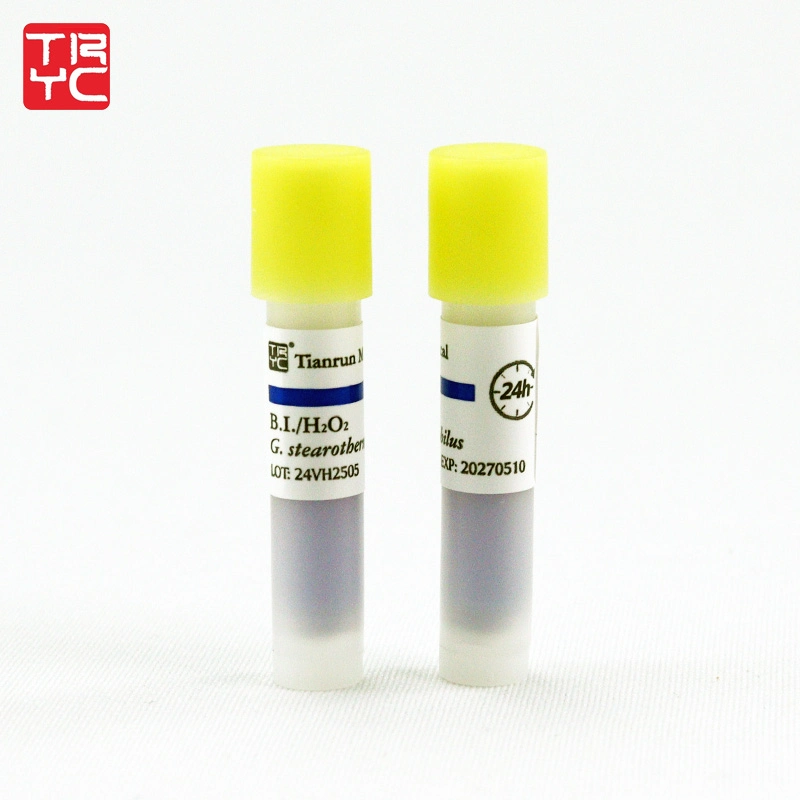
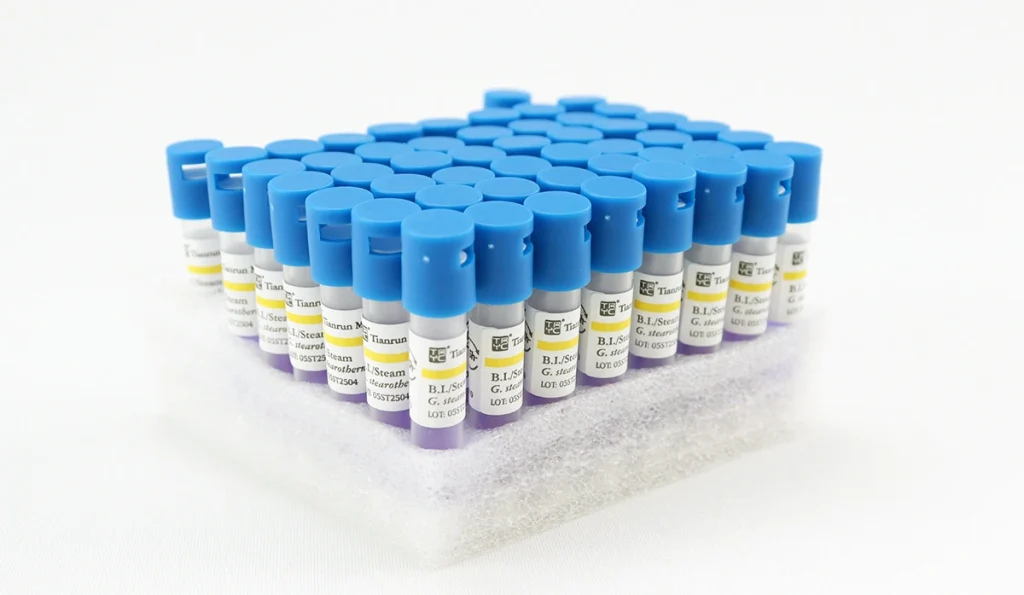
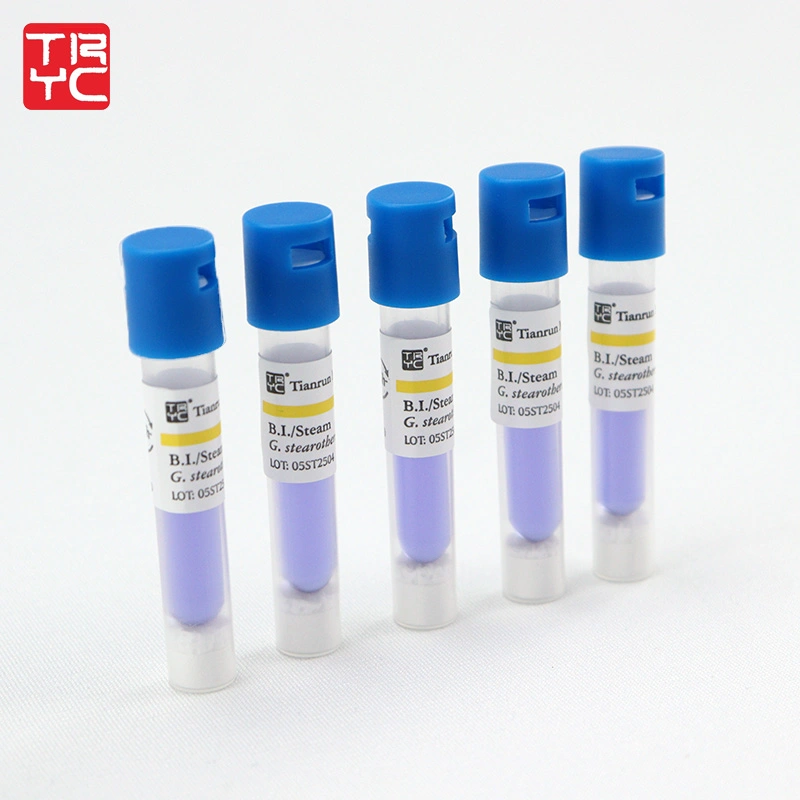
At its core, a rapid readout steam biological indicator 30-minute system is designed to detect enzyme activity linked to viable spores, rather than waiting for visible growth. In simple terms, you get a reliable indication of sterilization success much faster.
For teams managing autoclaves daily, this time difference is significant. Instead of holding instruments or releasing them with uncertainty, decisions can be made within the same cycle window.
Where It Makes the Most Sense
Not every setup needs rapid readout, but in certain environments, it quickly becomes standard:
- Hospital CSSD departments with high turnover
- Pharmaceutical production lines
- Medical device manufacturing
- Labs running multiple sterilization cycles per day
In these cases, using a steam sterilization biological indicator rapid readout approach helps reduce bottlenecks without changing the sterilization process itself.
Key Factors to Consider
From hands-on experience, choosing the right indicator isn’t just about speed. A few details are worth paying attention to:
- Compatibility with your incubator or reader
- Clear and stable fluorescence signals
- Shelf life and storage conditions
- Compliance with relevant standards (like ISO or FDA guidance)
A good self-contained rapid readout biological indicator should integrate smoothly into existing workflows, not add extra steps.
Balancing Speed and Reliability
One concern people often raise is whether faster results mean less accuracy. In practice, modern rapid biological indicators for steam sterilization products are designed to maintain the same sterility assurance level as traditional indicators.
That said, it’s still important to follow routine validation procedures and not rely on a single test method alone. Rapid readout is a tool—not a shortcut.
A Practical Option on the Market
Some manufacturers, such as Anhui TR Biotechnology, have developed rapid-read steam biological indicator 30-minute solutions aimed at balancing speed and consistency. These products are typically designed for easy activation, straightforward incubation, and quick interpretation, which helps reduce handling errors in busy environments.
For facilities looking to shorten release times without overhauling their system, options like this are worth evaluating.
FAQ
How accurate is a rapid-readout steam biological indicator?
A rapid-readout steam biological indicator is designed to meet the same sterility assurance standards as traditional indicators, provided it’s used according to instructions.
Do I need special equipment to use it?
Most self-contained rapid readout biological indicator systems require a compatible incubator or reader that can detect fluorescence signals within a short time.
Can it fully replace traditional biological indicators?
In many cases, yes—but some facilities still use both rapid biological indicators for steam sterilization and conventional methods as part of a layered validation approach.
Final Thoughts
Switching to a rapid readout steam biological indicator isn’t just about saving time—it’s about making sterilization workflows more predictable and manageable. In environments where delays can affect everything downstream, that reliability matters.
If you’re currently dealing with long incubation times or workflow bottlenecks, it may be time to take a closer look. Explore available options and see how a faster readout could fit into your process.